
Polystyrene is a name that echoes across industries and households, embedded in convenience, performance, and the pace of modern development. This thermoplastic touches nearly every aspect of our daily routines: it shapes the disposable coffee cup at your local café, lines the inside of your refrigerator, insulates your home, and even secures delicate electronics during shipment. Yet, few consumers appreciate the remarkable variability and sophistication that underpins this ubiquitous polymer.
In this definitive guide, Supreme Petrochem, one of the largest petrochemical companies in India, delves deep into what truly defines polystyrene plastic. From its essential monomeric building block to advanced industrial applications, we explore how general-purpose polystyrene (GPPS) and high-impact polystyrene (HIPS) differ, why extruded polystyrene (XPS) and expanded polystyrene (EPS) are vital in construction and packaging, and how innovative petrochemical companies bring these materials to everyday life. Get ready to understand the chemistry, variety, and astounding versatility of polystyrene, and the transformative impact it has on global industries.
What Is Polystyrene? Origins and Molecular Structure
At its core, polystyrene is a synthetic aromatic hydrocarbon polymer made from the monomer styrene, an organic compound derived from petroleum via the petrochemical industry. First synthesized in the early 20th century, it quickly became a staple due to its clarity, rigidity, and ease of processing. Today, its value is amplified by technological advancements and the expertise of leading petrochemical companies.
The properties of polystyrene plastic are dictated by the arrangement and interaction of its polymer chains. GPPS, HIPS, EPS, and XPS offer a tailored fit for thousands of uses, generated by variations in polymerization and additives. Supreme Petrochem’s R&D sets benchmarks for purity, consistency, and performance among petrochemical companies in India.
Types of Polystyrene—A Family of Function
There is no “one-size-fits-all” in polystyrene plastic. Its versatility comes from the following principal variants:
- General-Purpose Polystyrene (GPPS): Crystal-clear, rigid, easily molded, ideal for consumer goods and display elements.
- High-Impact Polystyrene (HIPS): Blended with polybutadiene rubber for added toughness and durability.
- Expanded Polystyrene (EPS): Lightweight foam with a closed-cell structure, superior for thermal insulation and impact absorption.
- Extruded Polystyrene (XPS): Dense, smooth-surfaced, high-performance foam panels used in demanding construction environments.
The portfolio of petrochemical companies in India includes these, with Supreme Petrochem setting industry standards in innovation and quality.
How Is Polystyrene Plastic Manufactured?
The journey of polystyrene plastic begins with the polymerization of styrene. Through advanced chemical engineering strategies, solution, suspension, or mass polymerization, petrochemical giants like Supreme Petrochem convert raw styrene into granules, sheets, or expandables ready for conversion.
Subsequent processes shape the final product:
- GPPS is extruded, injection-molded, or thermoformed into transparent items.
- HIPS involves a rubber blending step for enhanced impact performance, followed by extrusion or molding.
- EPS beads are expanded using steam, fusing into the lightweight blocks that create protective packaging or insulation panels.
- XPS uses continuous extrusion to form highly uniform, dense panels.
Supreme Petrochem invests in state-of-the-art plants and R&D to maintain a leading edge among petrochemical companies in India, including eco-friendly production methods and energy efficiency.
General-Purpose Polystyrene: The Transparent Powerhouse
General-purpose polystyrene (GPPS) is prized for glass-like clarity and stiffness. Its applications span food packaging, clear trays, containers, cups, stationery, CD cases, medical diagnostics, and display goods. Its processability makes it a favorite for intricate design and thin-wall molding.
Advantages of general-purpose polystyrene:
- Transparency and gloss: Showcase contents attractively in packaging.
- Dimensional precision: Maintains shape for specific technical products.
- Cost efficiency: Economical for disposable or high-volume applications.
The key to GPPS’s widespread adoption lies in its cost-effectiveness and the quality focus of leading petrochemical companies like Supreme Petrochem, whose consistent manufacturing guarantees reliability and regulatory compliance.
High-Impact Polystyrene: Toughness Engineered for Everyday Use
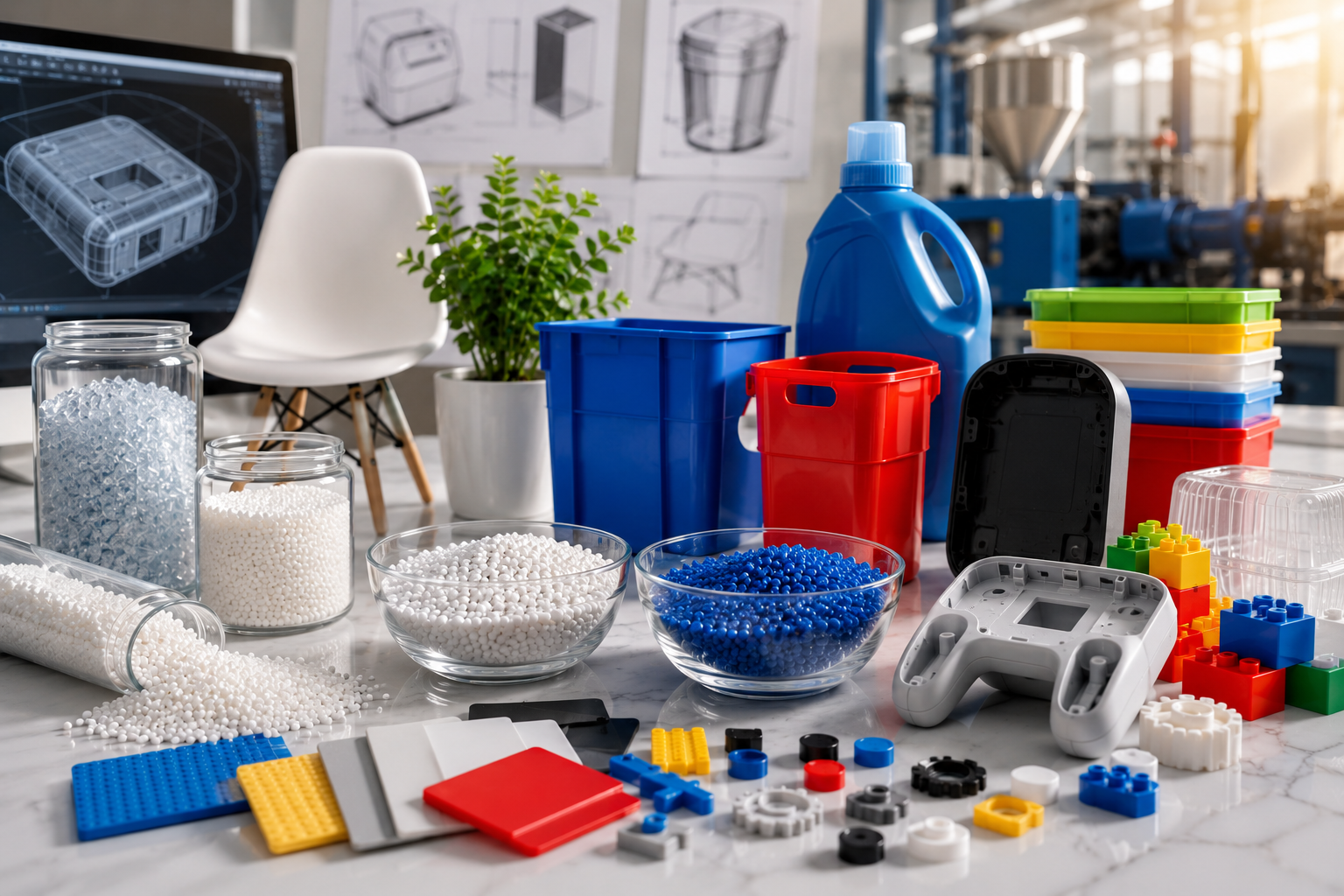
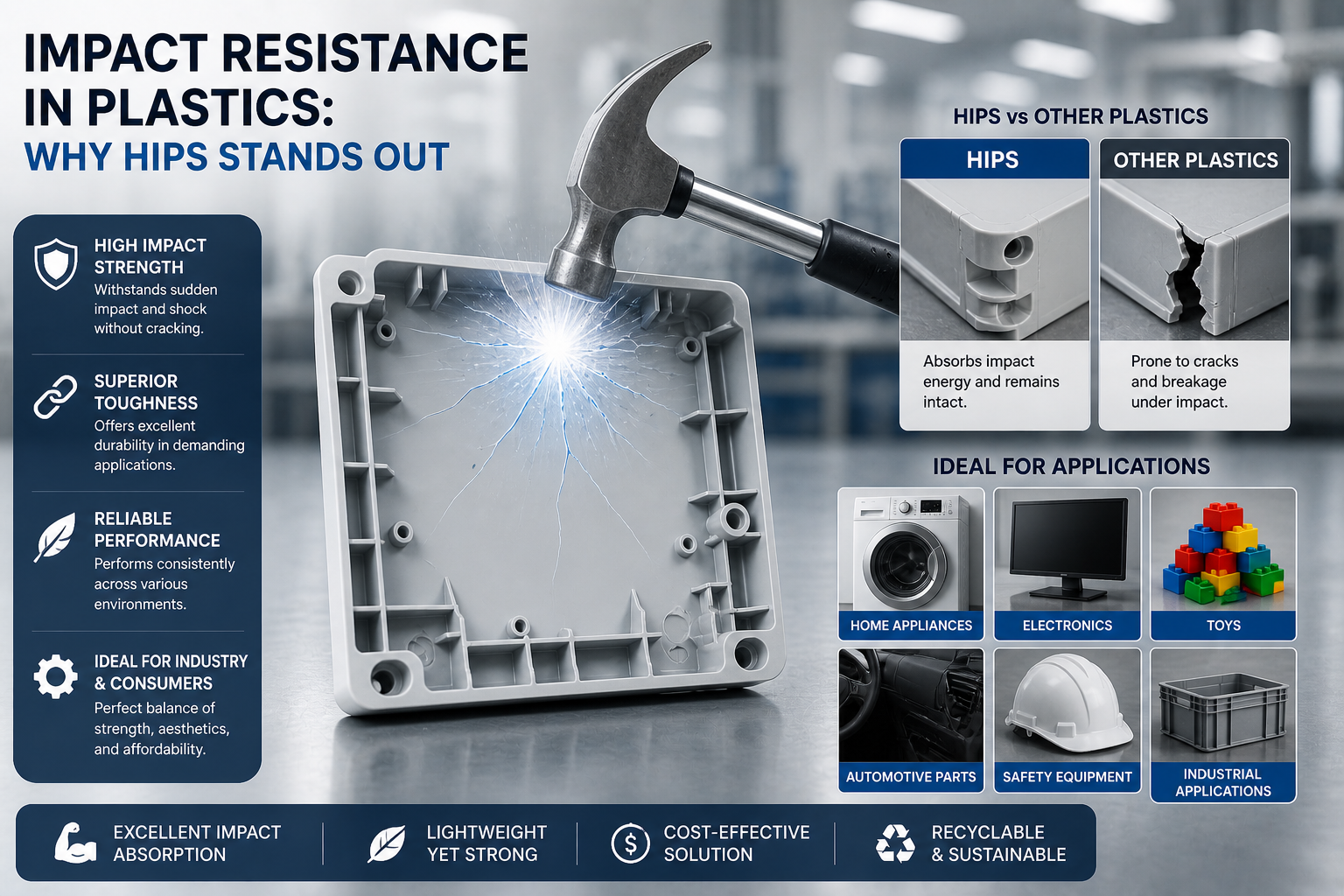
High-impact polystyrene (HIPS) marries polystyrene’s easy processability with toughened durability. The addition of rubber micro-particles makes HIPS opaque, resilient, and slightly flexible, perfect for products subjected to knocks and wear.
Everyday uses of high-impact polystyrene:
- Appliance housings (refrigerators, air conditioners)
- Toys and games
- Automotive consoles
- Bathroom fittings
- Food service trays and utensils
The value of HIPS lies in impact strength, workability, cost, and its safety profile, making it a trusted choice in demanding consumer and industrial markets. Top petrochemical companies in India, led by Supreme Petrochem, fine-tune HIPS grades to deliver optimal results for every segment.
Expanded Polystyrene: Lightweight Champion of Packaging and Insulation
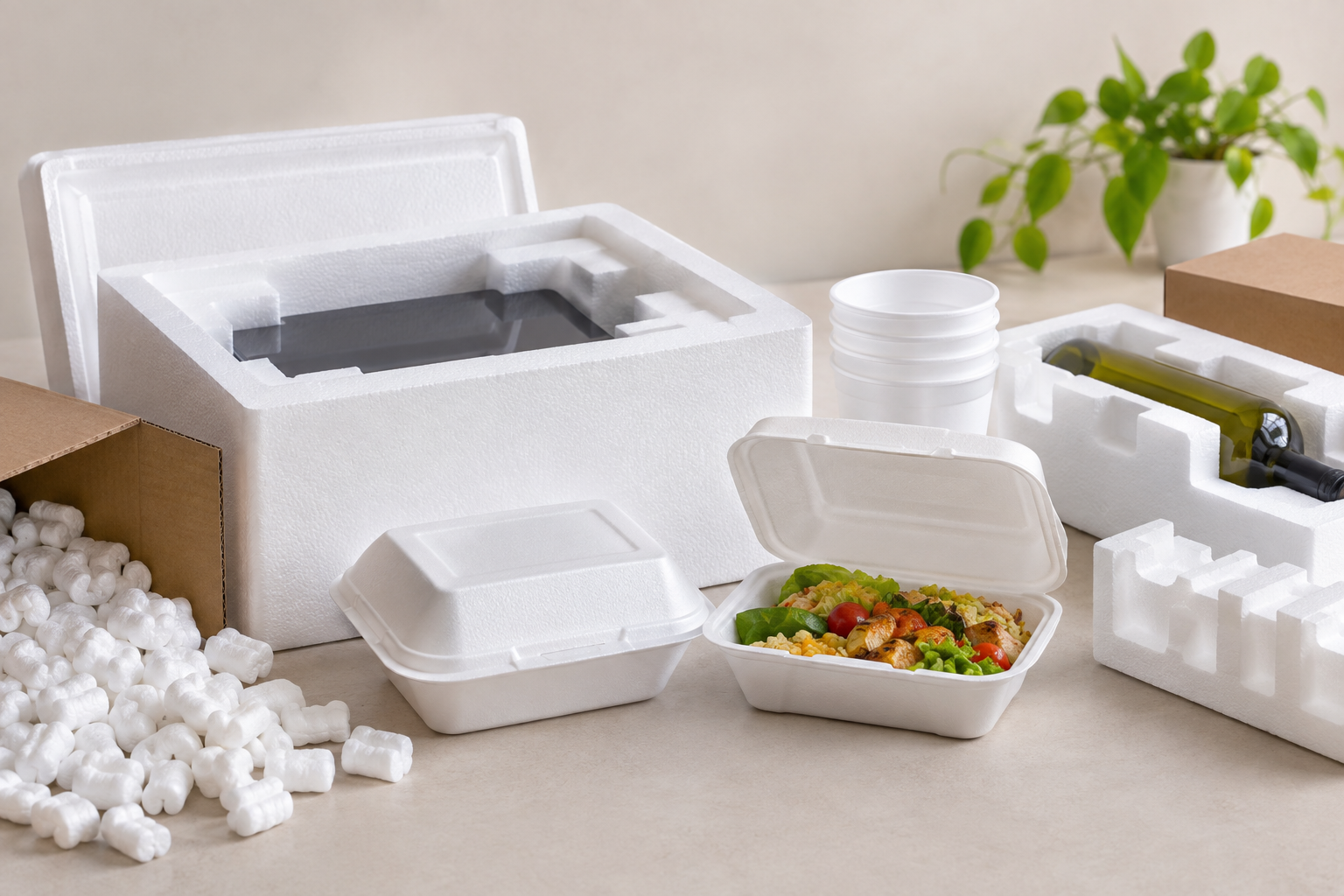
Expanded polystyrene (EPS) is instantly recognizable as the white foam cushioning packed with electronics or lining food delivery containers. Created by expanding polystyrene beads to 40–50 times their original size, EPS becomes an incredibly lightweight, thermal-insulating material.
Why is expanded polystyrene so widely used?
- Excellent thermal insulation: Ideal for construction and cold-chain logistics.
- Lightweight and shock absorbent: Ensures safe handling and transport.
- Moisture resistance: Prolongs the shelf life of perishable goods.
Sustainable advances by petrochemical companies now see major recycling programs and green chemistry initiatives for EPS.
Extruded Polystyrene: Dense, Durable, and Designed for Building
Extruded polystyrene (XPS) elevates insulation performance by delivering denser, more uniform foam panels. It offers higher compressive strength, lower water absorption, and greater longevity than EPS, properties crucial for building foundations, walls, inverted roofs, and flooring.
Extruded polystyrene features:
- Durable, resistant to rot or mold
- Retains performance under prolonged load and exposure
- Eco-friendly advances with CFC/HCFC-free manufacturing
As the green construction movement surges, petrochemical companies in India lead the way in formulating sustainable, energy-efficient XPS insulation, backed by Supreme Petrochem’s excellence.
Where Does Polystyrene Plastic Appear in Modern Living?
Polystyrene plastic is so pervasive that most people encounter it daily without even knowing it. Its ubiquity is anchored in its adaptability:
- GPPS for clear boxes, yogurt pots, disposable cups, and cosmetic cases
- HIPS for TV cabinets, computer housings, interior auto trim, luggage, refrigerator liners
- EPS for protective packaging, foam boards, surfboards, and insulated transportation of vaccines and food products
- XPS for building insulation, construction panels, greenhouse bases
The secret to its success lies in the ability to precisely control color, strength, shape, and cost, a hallmark of the world’s best petrochemical companies.
Sustainability, Recycling, and the Future of Polystyrene
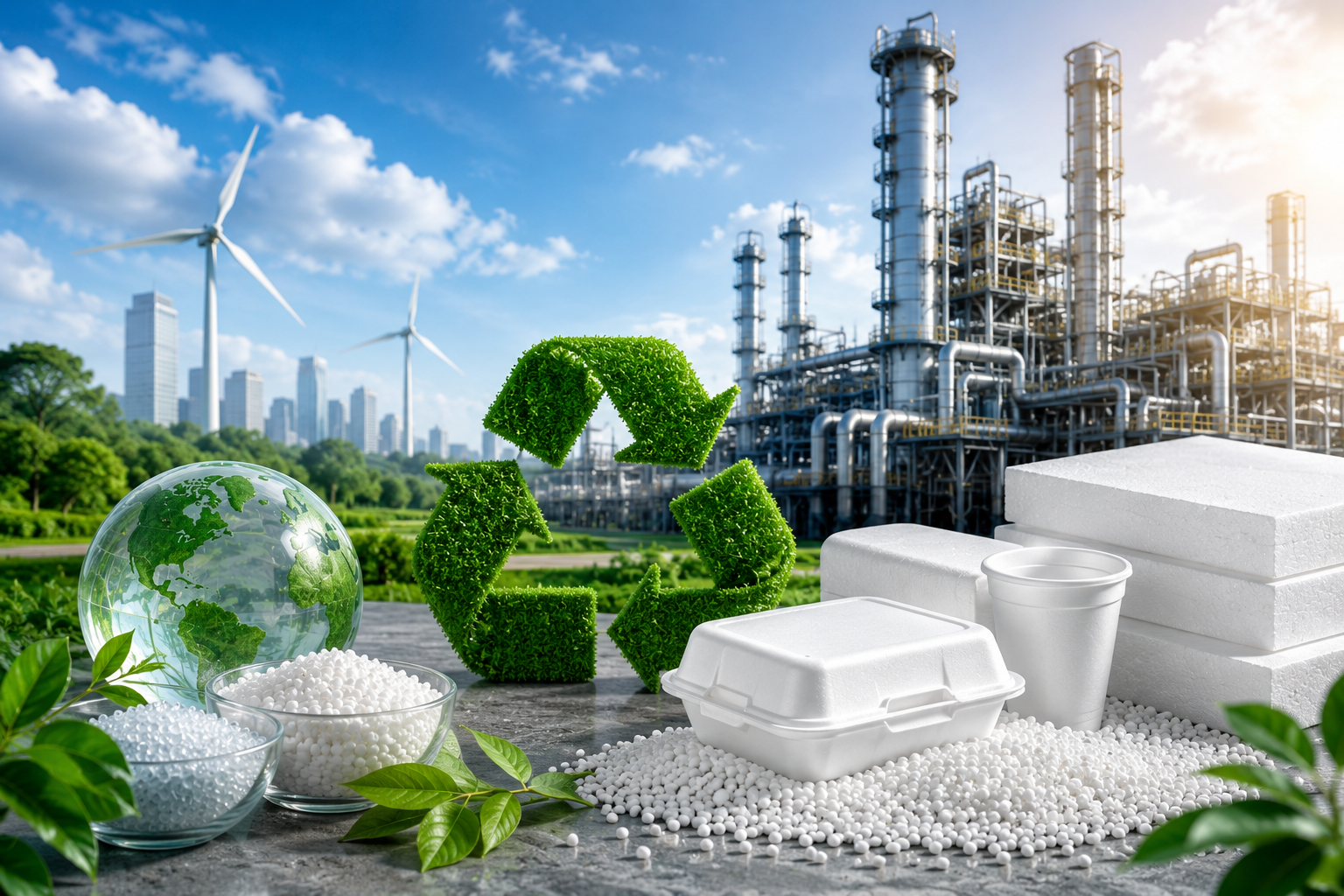
While polystyrene plastic has clear environmental challenges, most notably single-use disposal, global leaders and petrochemical companies in India are proactively innovating:
- Development of biodegradable polystyrene alternatives
- Design for advanced recycling: mechanical, chemical, and energy-recovery pathways
- Collection and reprocessing for construction use
- Corporate social responsibility initiatives for waste management
Supreme Petrochem is at the forefront, aligning with government and green building mandates, expanding recycling partnerships, and leading public awareness on proper use and disposal.
How Supreme Petrochem Sets Industry Standards
As one of India’s top petrochemical companies, Supreme Petrochem is the country’s largest polystyrene manufacturer and a key exporter, operating world-class plants with an unwavering commitment to quality and innovation.
What sets Supreme apart:
- Advanced R&D in GPPS, HIPS, EPS, and XPS
- ISO-certified processes and global technical benchmarking
- Supply chain agility for exports to over 90 countries
- Client solutions spanning consumer goods to high-tech industries
Their products are trusted by multinational brands for reliability, food safety, regulatory compliance, and technical performance, a record few companies in the petrochemical companies in India segment can rival.
The Economic Role of Polystyrene and Petrochemical Companies in India
India’s polystyrene market, valued at over $500 million and steadily growing, is integral to packaging, construction, automotive, electronics, and home appliance manufacturing. Its expansion drives job creation, urban development, and advances local capacities in manufacturing and export.
Petrochemical companies like Supreme Petrochem invest heavily in upgrading facilities, upskilling their workforce, and integrating digital technologies to deliver flexibility and reliability. With domestic consumption of plastics soaring, polystyrene remains at the forefront of India’s transformation into a global manufacturing powerhouse.
From the clear plastic cup holding a cool beverage to high-tech insulation guarding a hospital, polystyrene plastic is integral to modern life. As India’s leading petrochemical companies like Supreme Petrochem continue to innovate with new formulations and greener solutions, the versatility of general-purpose polystyrene, high-impact polystyrene, expanded polystyrene, and extruded polystyrene will only grow. Knowing the science, applications, and sustainability initiatives behind this material empowers industries and consumers alike to choose wisely, invest confidently, and forge ahead toward a more efficient, high-performance future.
Frequently Asked Questions
Q1. What is polystyrene, and what are its main types?
Polystyrene is a synthetic, versatile plastic used in various industries. Its main types are general-purpose polystyrene (GPPS), high-impact polystyrene (HIPS), expanded polystyrene (EPS), and extruded polystyrene (XPS).
Q2. What are the key differences between GPPS and HIPS?
GPPS is clear, rigid, and used for display or food packaging. HIPS is rubber-modified, opaque, and impact-resistant, making it ideal for appliances and consumer goods.
Q3. How is expanded polystyrene commonly used?
Expanded polystyrene (EPS) is best known for insulation boards in construction and for packaging fragile goods thanks to its lightweight and cushiony structure.
Q4. What role do petrochemical companies in India play in polystyrene supply?
Firms such as Supreme Petrochem dominate the Indian market by offering diversified, high-quality polystyrene products used in packaging, construction, electronics, and more, continually innovating for sustainability.