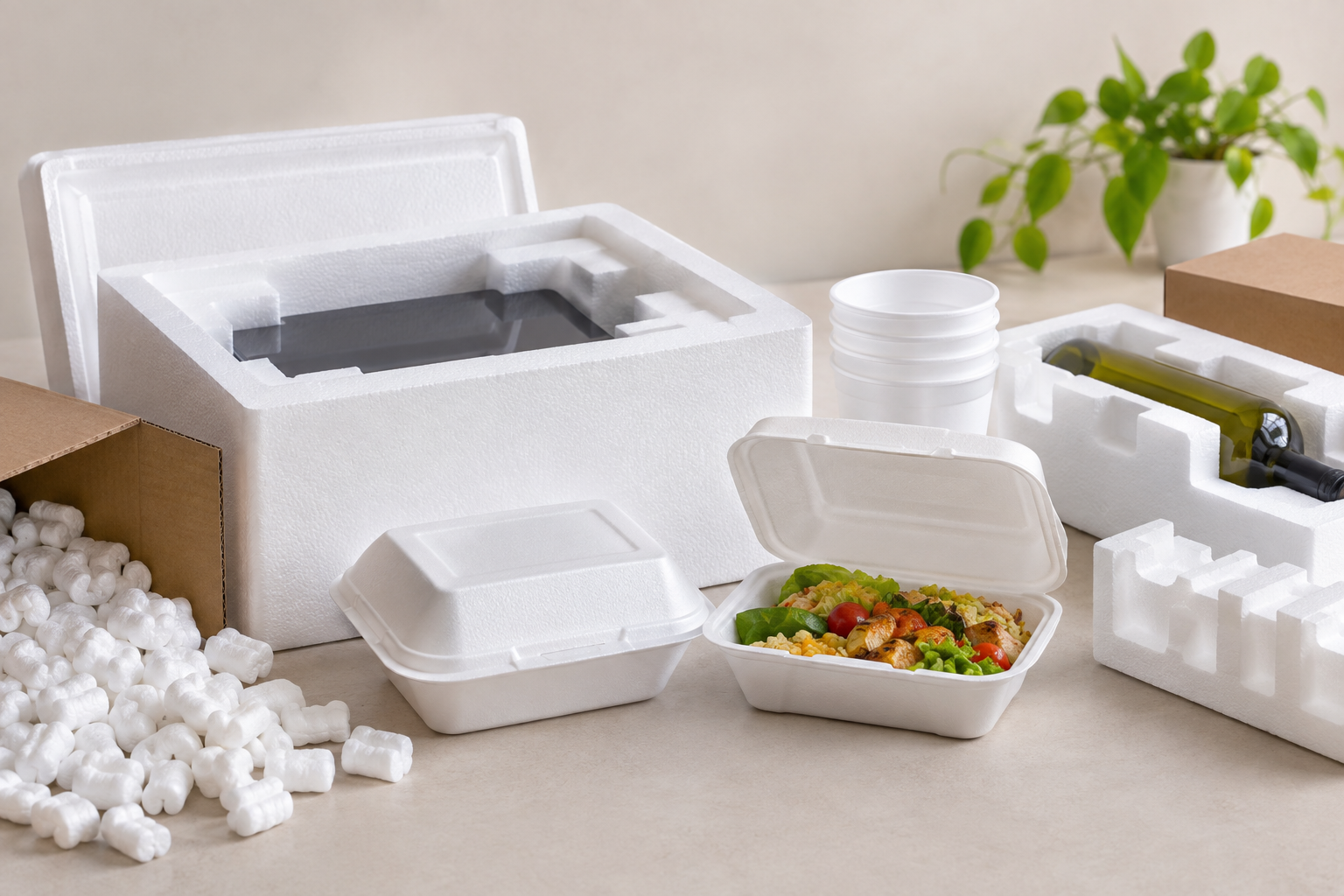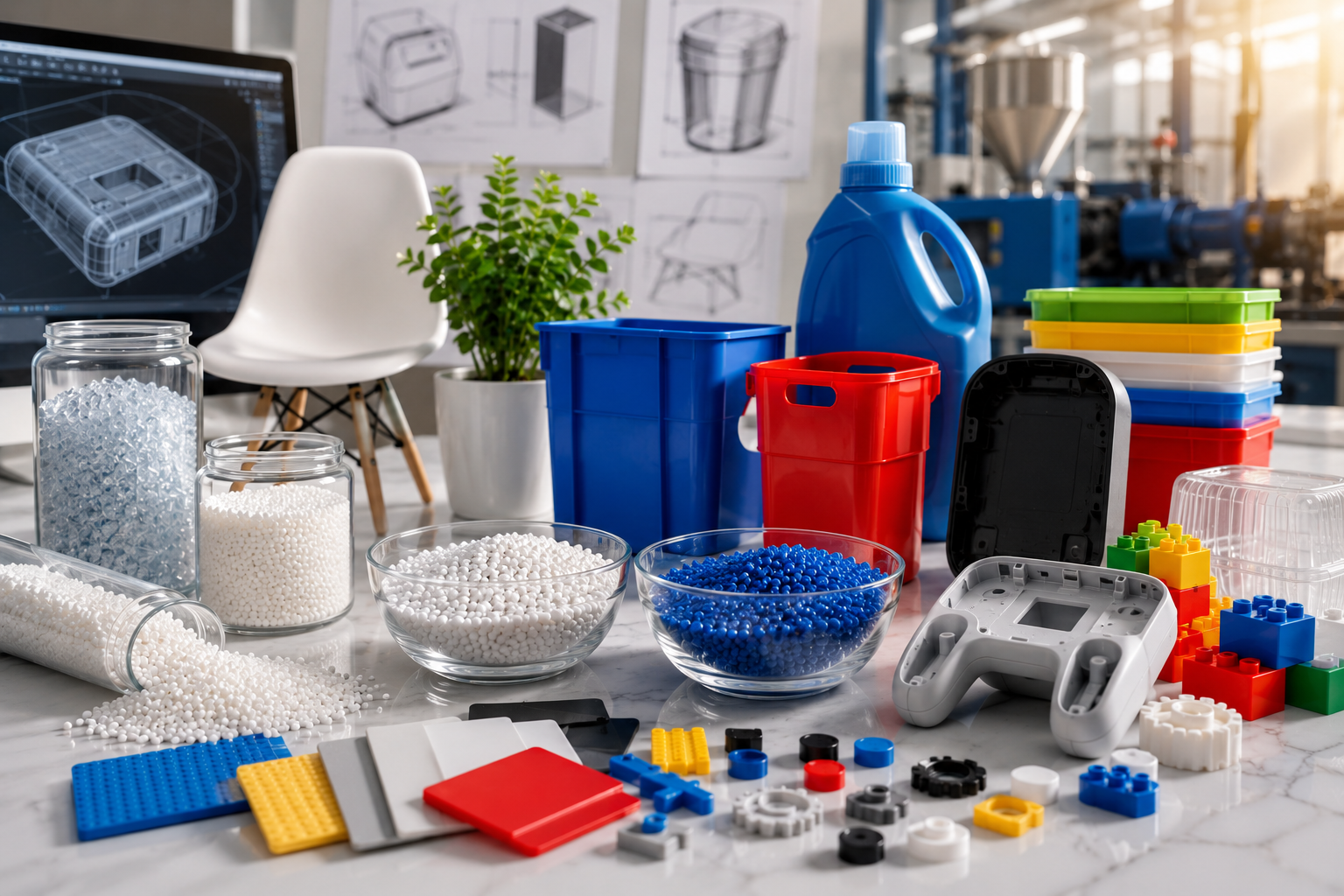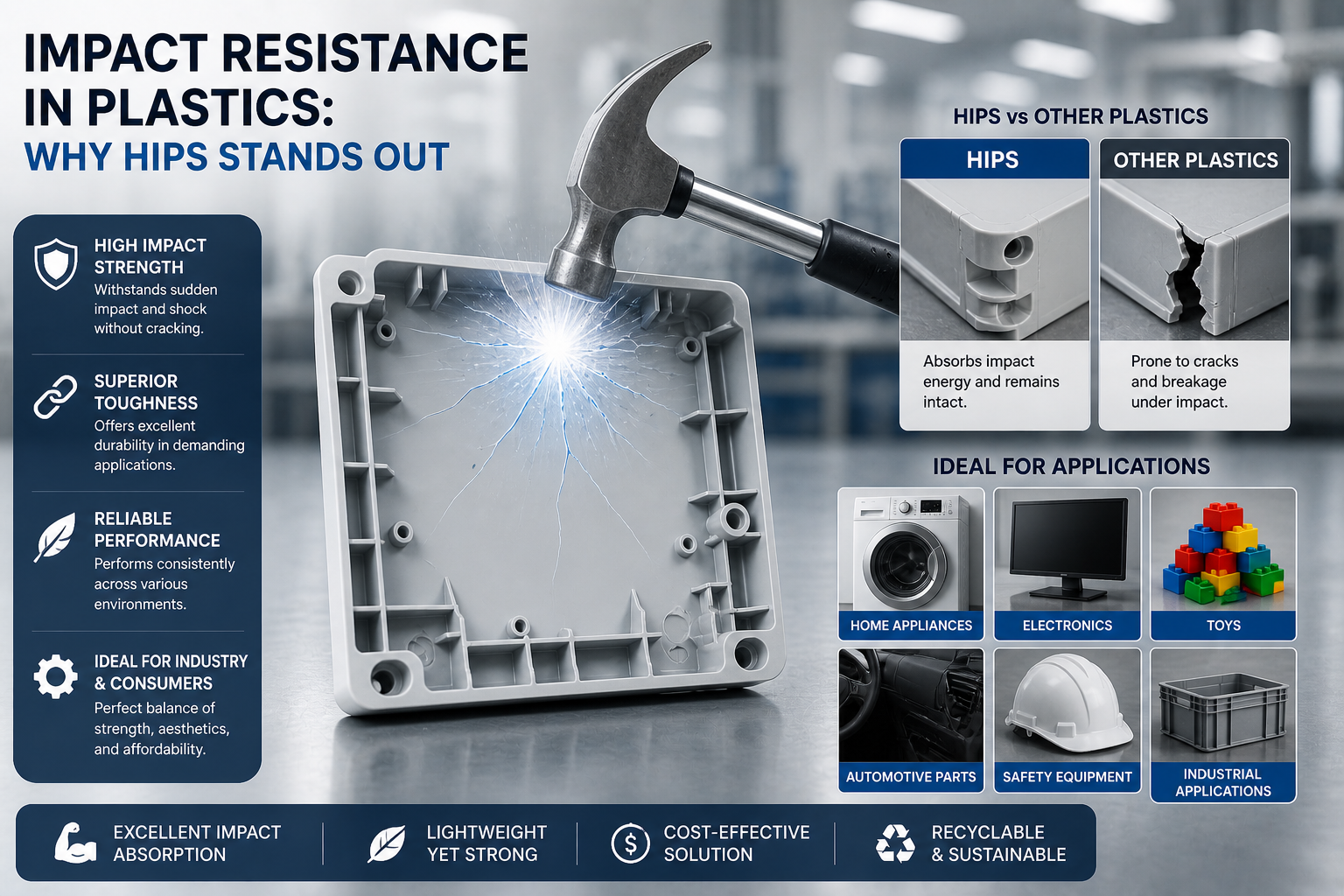

The world of modern metal casting has evolved far beyond traditional sand and wax methods, welcoming innovative processes that offer superior accuracy, flexibility, and sustainability. Among these, the lost foam casting process stands out, using engineered expanded polystyrene (EPS) and extruded polystyrene to create complex, high-quality metal parts for industries ranging from automotive to aerospace. In this comprehensive blog, Supreme Petrochem, one of the foremost petrochemical companies in India, explores every step of lost foam casting, explaining the science, the materials, and the impact on manufacturing.
Supreme Petrochem will guide readers through how EPS resin manufacturers contribute vital pattern materials, reveal the advantages of using general-purpose polystyrene, and discuss how the process reduces environmental impact. We’ll present the full workflow, from pattern design to final casting removal, with professional insights and practical tips. Whether you’re an engineer, manufacturer, student, or industry buyer, you’ll gain an authoritative understanding of why the lost foam casting method is revolutionizing the foundry world.
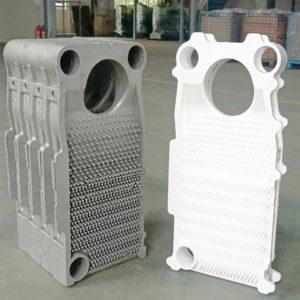
What Is Lost Foam Casting?
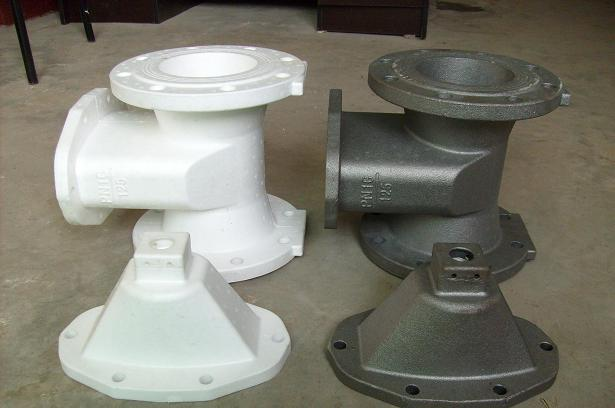
Lost foam casting, also called evaporative pattern casting, is an advanced metal casting technique where a foam pattern made of expanded polystyrene creates the mold. Unlike conventional sand casting, no binder is required in the sand, and no parting lines or cores are needed, enabling the creation of intricate metal structures that would otherwise be extremely difficult or expensive to produce.
The process is so-named because the foam pattern vanishes (“is lost”) when molten metal is poured in. As the hot metal flows, it instantly vaporizes the foam, filling its space and reproducing the precise shape with exceptional dimensional accuracy. This innovative use of EPS resin manufacturers’ products has made lost foam casting indispensable in sectors requiring complex parts, including cylinder heads, engine blocks, and custom mechanical components.
Expanded polystyrene and high-grade extruded polystyrene are used due to their low density, ease of shaping, and clean burnout during casting. General-purpose polystyrene is chosen for patterns in many standard applications, supported by major petrochemical companies in India, innovating in the space.
Step-By-Step Guide to the Lost Foam Casting Process
Pattern Creation Using Expanded Polystyrene and Extruded Polystyrene
The journey starts with the foam pattern, replicating the final desired metal object. Patterns can be hand-cut using hot wire cutters, CNC-machined from solid expanded polystyrene, or mass-produced by injecting polystyrene beads into heated molds. The beads, supplied by specialized EPS resin manufacturers, expand and fuse, forming a rigid, yet lightweight pattern.
Complex gating systems, including sprues (inlets), runners (flow channels), and risers, are also fabricated from foam, often general-purpose polystyrene, due to its processability. These are assembled with the main pattern to create a “cluster,” sometimes called a pattern tree.
Pattern Coating with Refractory Material
To ensure the foam pattern withstands the sand’s weight and high casting temperatures, it’s coated in ceramic slurry (refractory material). This is applied by dipping, brushing, or spraying with precise control for homogeneity. The coating, often containing colloidal silica and fine powders, must dry thoroughly before proceeding, forming a shell that aids surface quality and gas permeability.
This critical step determines the smoothness of the finished cast, supports sand compaction, and prevents unwanted defects or gas trapping. Multiple coats may be used for thicker patterns, always depending on the casting specification and material.
Mold Assembly and Sand Compaction: Binder-Free Efficiency
Next, the coated pattern tree is placed into a molding flask (frame), then surrounded with dry, unbonded silica sand. The sand is poured in layers and compacted by a vibrating machine, removing voids and ensuring dense packing around the foam. Unlike conventional mold setups, lost foam molds require no chemical binders, reducing environmental impact and enabling simple sand recovery and reuse.
The shape and integrity of the pattern, along with the compaction method, directly influence the dimensional fidelity and surface finish of the casting. Once fully embedded and compacted, the mold is ready for pouring.
Pouring Molten Metal—Where Foam Vanishes
With the mold prepared, molten metal (aluminum, steel, or iron) is poured directly into the sprue. The intense heat causes the expanded polystyrene or extruded polystyrene foam pattern to melt, vaporize, and be replaced by the metal. This “full-mold” transformation ensures the casting precisely matches the foam’s geometry, often with minimal surface defects and impressive dimensional accuracy.
Gases created by foam vaporization escape through the refractory coating and the permeable sand, critical for preventing porosity and achieving a high-quality cast. Experienced foundries and EPS resin manufacturers optimize foam density and coating formulas for different metals and casting sizes.
Cooling, Mold Disassembly, and Finishing—Final Steps
After pouring, the mold is allowed to cool and solidify. The flask is inverted, and the casting easily separates from the sand, since no chemical binders are present. Recovered sand can be immediately reused, and the resulting metal part often requires less finishing and machining compared to conventional methods. The superior surface finish and tight tolerances highlight the advantages of using expanded polystyrene and advanced materials from leading petrochemical companies.
Supreme Petrochem: Advancing Lost Foam Casting with General-Purpose Polystyrene
As a recognized leader among petrochemical companies in India, Supreme Petrochem specializes in general-purpose polystyrene, EPS resin manufacturing, and advanced foams for the foundry industry. Supreme’s innovations include highly consistent, low-density expanded polystyrene grades ideal for pattern-making, as well as robust extruded polystyrene solutions for architectural and industrial insulation.
Through superior R&D, Supreme Petrochem enables:
- Mass production of precision foam patterns.
- Advanced ceramic coating technologies.
- Strategic partnerships with casting foundries.
- Scalable, eco-friendly workflows minimizing waste and maximizing product consistency.
With a global export network and technical leadership, Supreme sets a quality benchmark for all petrochemical companies competing in engineering plastics.
Lost Foam Casting in Practice: Common Applications
Automotive and Engine Blocks
Lost foam casting’s ability to craft intricate, precise components has made it pivotal in automotive manufacturing. Cylinder heads, engine blocks, and housings, often with complex internal channels, are efficiently produced using premium expanded polystyrene foam patterns provided by key EPS resin manufacturers.
Aerospace and Custom Engineering
For aerospace and advanced machinery, lost foam casting delivers thin-walled parts, integrated cores, and exceptionally detailed geometries meeting the most stringent requirements for performance and reliability.
Architectural, Home Appliance, and Industrial Solutions
Large castings for architectural features, appliance housings, and heavy machinery benefit from the lost foam technique’s dimensional fidelity and material efficiency. Reusable sand and low-power process steps further enhance sustainability.
Sustainability Advantages of Lost Foam Casting
Reduced Environmental Impact Compared to Conventional Casting
Eliminating binders and chemical sand treatments means foundries using lost foam casting generate less hazardous waste and can recover sand more easily. The process also helps cut down on labor and energy inputs, aligning with green manufacturing standards adopted by modern petrochemical companies in India.
Dimensional Precision and Material Savings
Lost foam casting minimizes machining and scrap, as parts emerge closer to final dimensions. The accuracy enabled by engineered expanded polystyrene, extruded polystyrene, and tailored coatings from EPS resin manufacturers reduces post-process work, yielding cost efficiencies and faster production cycles.
Step-by-Step Workflow Summary
- Design and produce a foam pattern using expanded polystyrene or extruded polystyrene.
- Assemble the gating system and pattern cluster (with general-purpose polystyrene when needed).
- Apply ceramic/refractory material coats; let dry thoroughly.
- Place coated cluster in flask; backfill and compact with dry sand (no binder).
- Pour molten metal; foam pattern vaporizes, metal fills cavity.
- Cool casting; remove from sand, clean, and finish.
- Reuse sand, recycle waste, and prepare for the next production run.
Lost foam casting with critical contributions from expanded polystyrene, extruded polystyrene, and innovative EPS resin manufacturers empowers metal fabricators, engineers, and manufacturers to achieve new heights of accuracy, efficiency, and environmental stewardship. Supreme Petrochem, a pillar among petrochemical companies in India, stands at the forefront with advanced materials and technical expertise, driving the evolution of casting from convenience to excellence.
For organizations and buyers seeking sustainable, high-quality components, adopting the lost foam casting method, powered by the science behind general-purpose polystyrene and the stewardship of leading petrochemical companies, offers proven advantages, setting benchmarks for global modern manufacturing.
Frequently Asked Questions (FAQs)
Q1. What makes expanded polystyrene ideal for lost foam casting?
Expanded polystyrene is lightweight, easily shaped, and vaporizes cleanly during casting, ensuring excellent fidelity and minimal residue.
Q2. How do EPS resin manufacturers help improve lost foam casting?
EPS resin manufacturers produce high-purity, consistent polystyrene beads essential for reliable pattern creation and dimensional accuracy.
Q3. What are the main benefits compared to traditional casting methods?
Lost foam casting allows for complex geometries, reduces labor and machining, minimizes waste, and enables sand recovery without hazardous binders.
Q4. Can extruded polystyrene be used for all casting types?
Extruded polystyrene offers higher density and uniformity, ideal for some insulation and structural parts. For most patterns, expanded polystyrene remains preferred due to its flexibility.