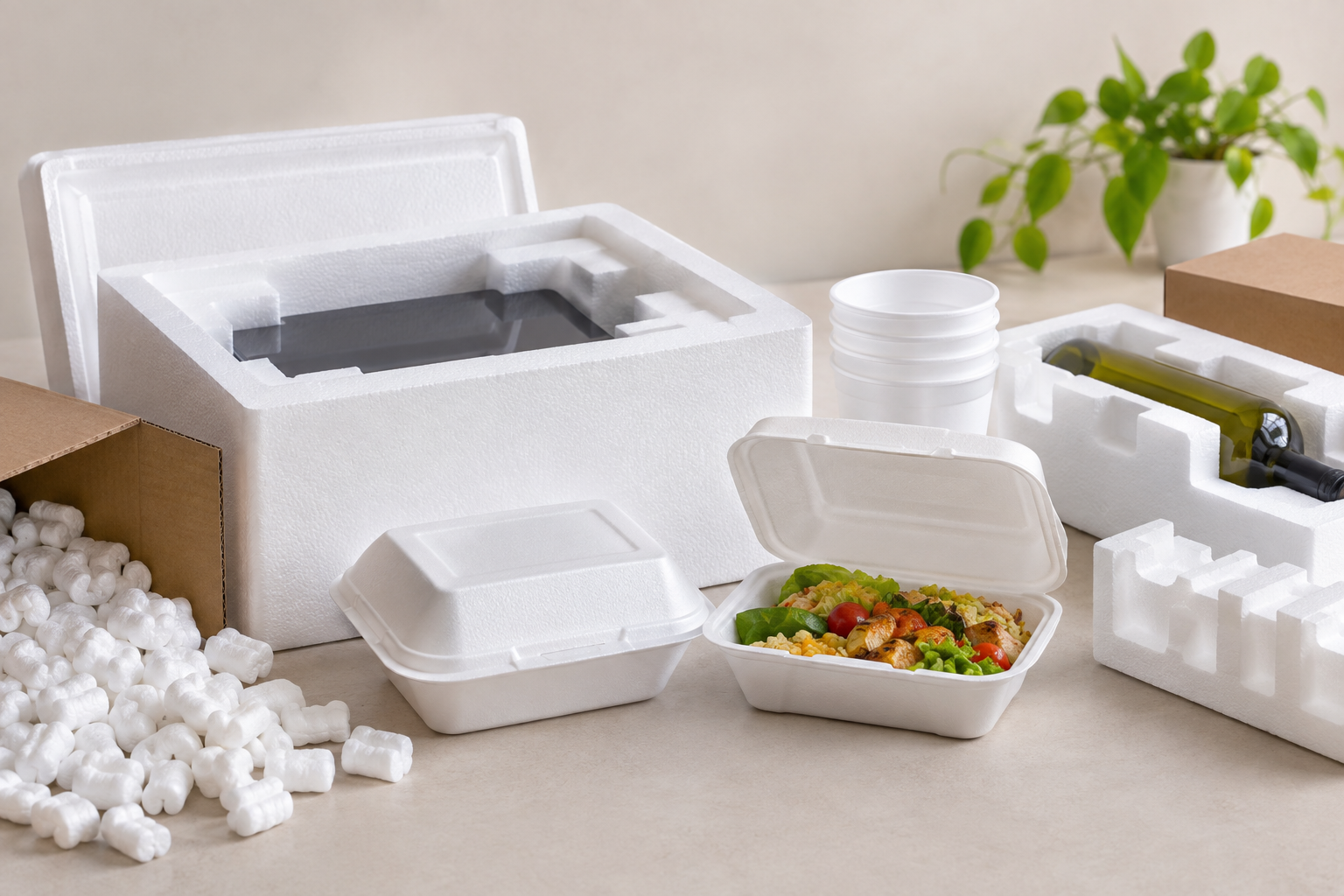
Expanded polystyrene (EPS) packaging has transformed the safeguarding of fruits, vegetables, and other perishable goods by providing excellent thermal insulation and lightweight strength. This adaptable material ensures produce arrives fresh, reducing spoilage in supply chains worldwide.
In this blog, Supreme Petrochem examines the main benefits of expanded polystyrene packaging, from moisture resistance to cost savings. Readers will learn how our high-quality EPS solutions enable sustainable, efficient handling of perishables.
Why Select Expanded Polystyrene for Produce?
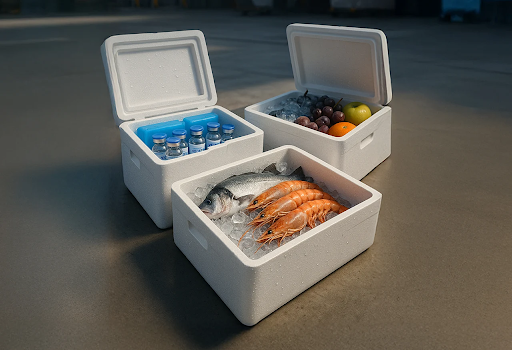
Expanded polystyrene, a type of foamed polystyrene plastic, is made of tiny beads that are expanded with gas, creating a lightweight structure ideal for packaging delicate items such as berries, leafy greens, and seafood. Its closed-cell structure offers better shock absorption, preventing bruising during transit—unlike heavier alternatives that could crush fragile produce.
This material’s low density, usually between 10-35 kg/m³, lowers shipping costs by up to 30% compared to cardboard or wood, as less fuel is needed for transport. For example, EPS boxes for melons or lettuce help maintain hygiene and extend shelf life by stabilising temperature.
Superior Thermal Insulation Performance
One notable advantage of expanded polystyrene is its high thermal resistance; R-values often exceed those of other foams, helping maintain the cold chain for perishables. EPS effectively insulates against heat transfer, prolonging the shelf life of vitamin C in fruits and vegetables compared with traditional packaging—studies indicate up to 50% better retention in some instances.
In practice, fish boxes made from EPS maintain temperatures for days, reducing ice melt and bacterial risks, which is essential for international seafood trade. This insulation exceeds that of waxed cartons, particularly in fluctuating climates such as those in India.
Moisture and Bacterial Resistance
Polystyrene in its expanded form repels water entirely, preventing sogginess that affects paper-based packaging during humid weather or from dew on chilled produce. Its inability to absorb moisture prevents mould growth, maintaining hygiene for items such as mushrooms and asparagus.
EPS surfaces prevent bacterial growth because they are non-porous and meet global food-contact standards without restrictions. This makes them ideal for organic vegetables, where contamination could spoil batches.
Lightweight Yet Robust Protection
The feather-light weight of expanded polystyrene—98% air—facilitates handling for farmers and distributors, while its compressive strength allows for stacking without deformation. Grape or tomato crates withstand heavy loads, reducing the risk of injury in warehouses.
Compared to alternatives:
| Packaging Type | Weight (per unit) | Compressive Strength | Cost Efficiency |
| Expanded Polystyrene | Low (15-30 kg/m³) | High (static/dynamic loads) | High |
| Cardboard | Medium | Low (absorbs moisture) | Medium |
| Wood | High | High | Low |
This table illustrates why EPS remains dominant in perishables logistics.
Cost-Effectiveness in Supply Chains
Polystyrene plastic, such as EPS, reduces overall costs through reusability—cleaned boxes can be used multiple times—and minimal material consumption per shipment. Businesses report savings in packaging costs for vegetable exports due to reduced spoilage.
Its custom mouldability enables precise production, optimising space in trucks and containers and further reducing fuel costs. Over the long term, this efficiency enhances profitability for growers in competitive markets.
Sustainability and Expanded Polystyrene
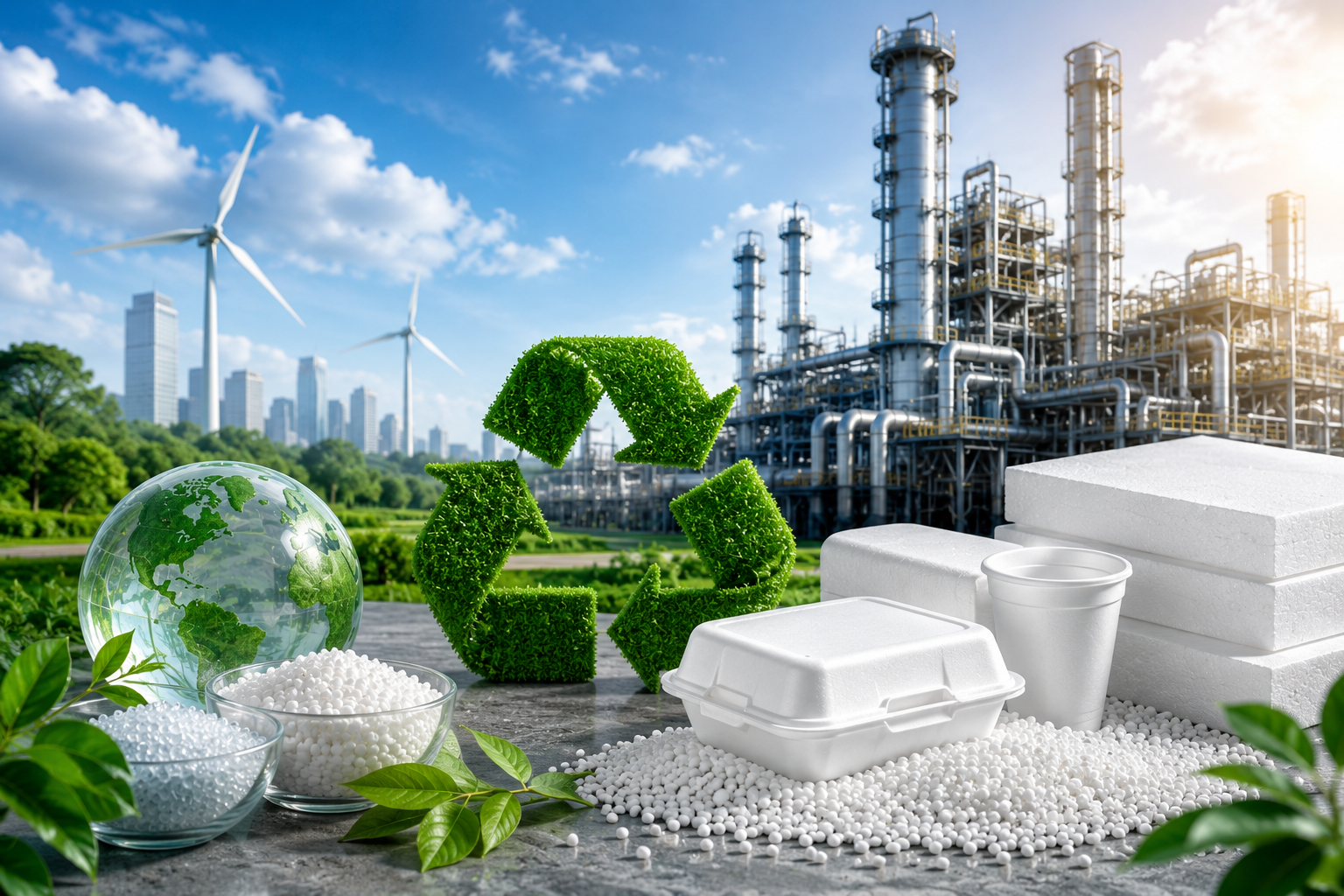
Modern expanded polystyrene supports environmental aims as a 100% recyclable material that can be reprocessed into styrene monomer using advanced methods. Initiatives such as Extended Producer Responsibility encourage circularity, thereby reducing landfill impacts compared with non-recyclable alternatives.
EPS reduces food waste—by up to 30% in trials—saving resources equivalent to millions of meals each year. Supreme Petrochem emphasises recyclable grades, supporting eco-friendly packaging trends.
Supreme Petrochem’s Excellence in Expanded Polystyrene
Supreme Petrochem Ltd, India’s leading producer, offers premium expanded polystyrene with a capacity of 118,000 TPA across Nagothane and Chennai plants. Grades such as SE 330 BL FC for low-density blocks and FR EPS for flame-retardant applications are ideal for fruit boxes, vegetable trays, and fish containers.
Our EPS beads, sized 0.4-2.0 mm, ensure rapid cycling and high expansion for customised packaging. As a pioneer since 2006, Supreme provides moisture-proof, non-toxic solutions that meet global standards, supporting the logistics of fresh produce.
Comparing Polystyrene Types for Packaging
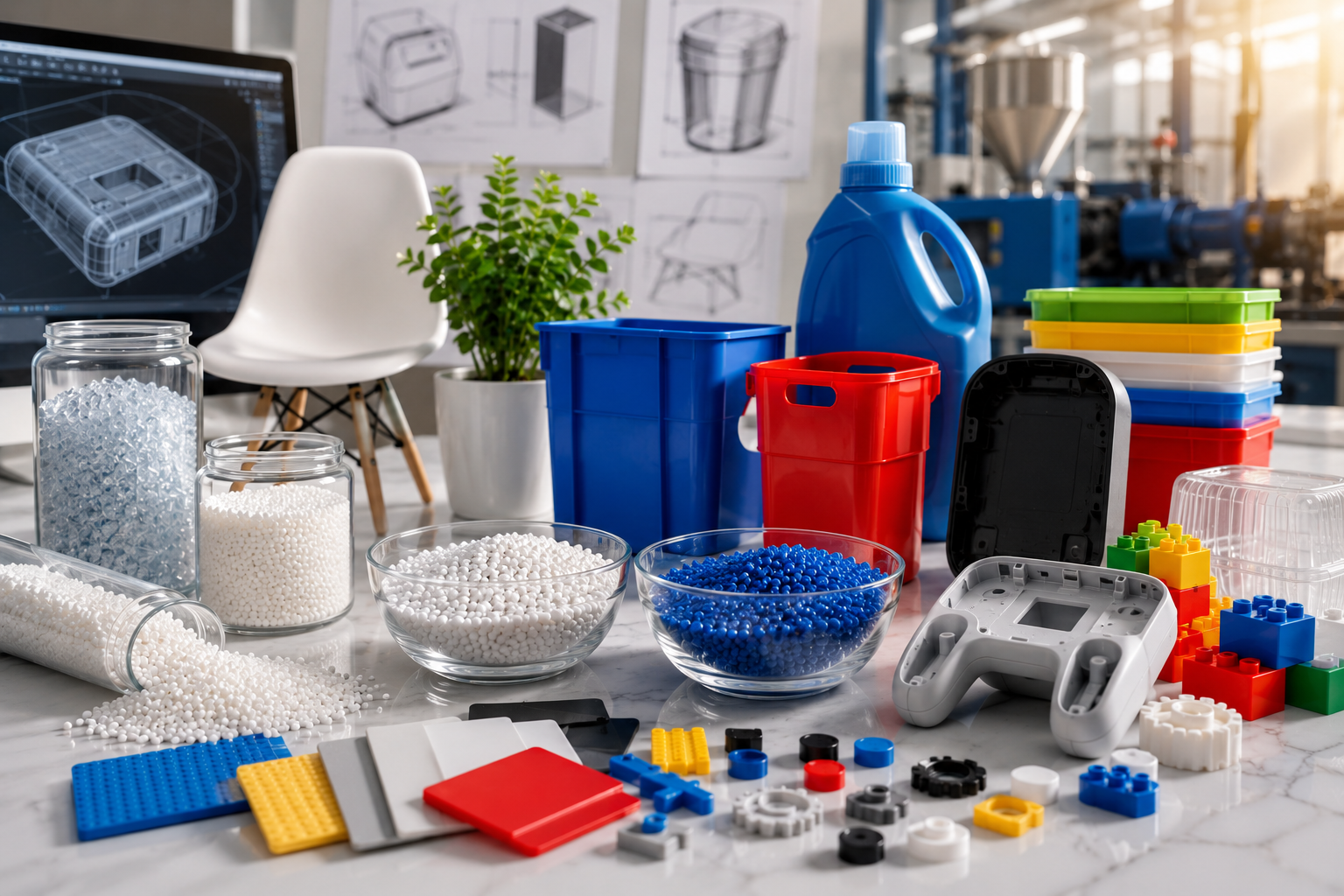
Supreme Petrochem produces a variety of polystyrene types; each suited to specific needs.
- General Purpose Polystyrene (GPPS): Crystal clear for transparent trays, rigid yet lightweight for salads.
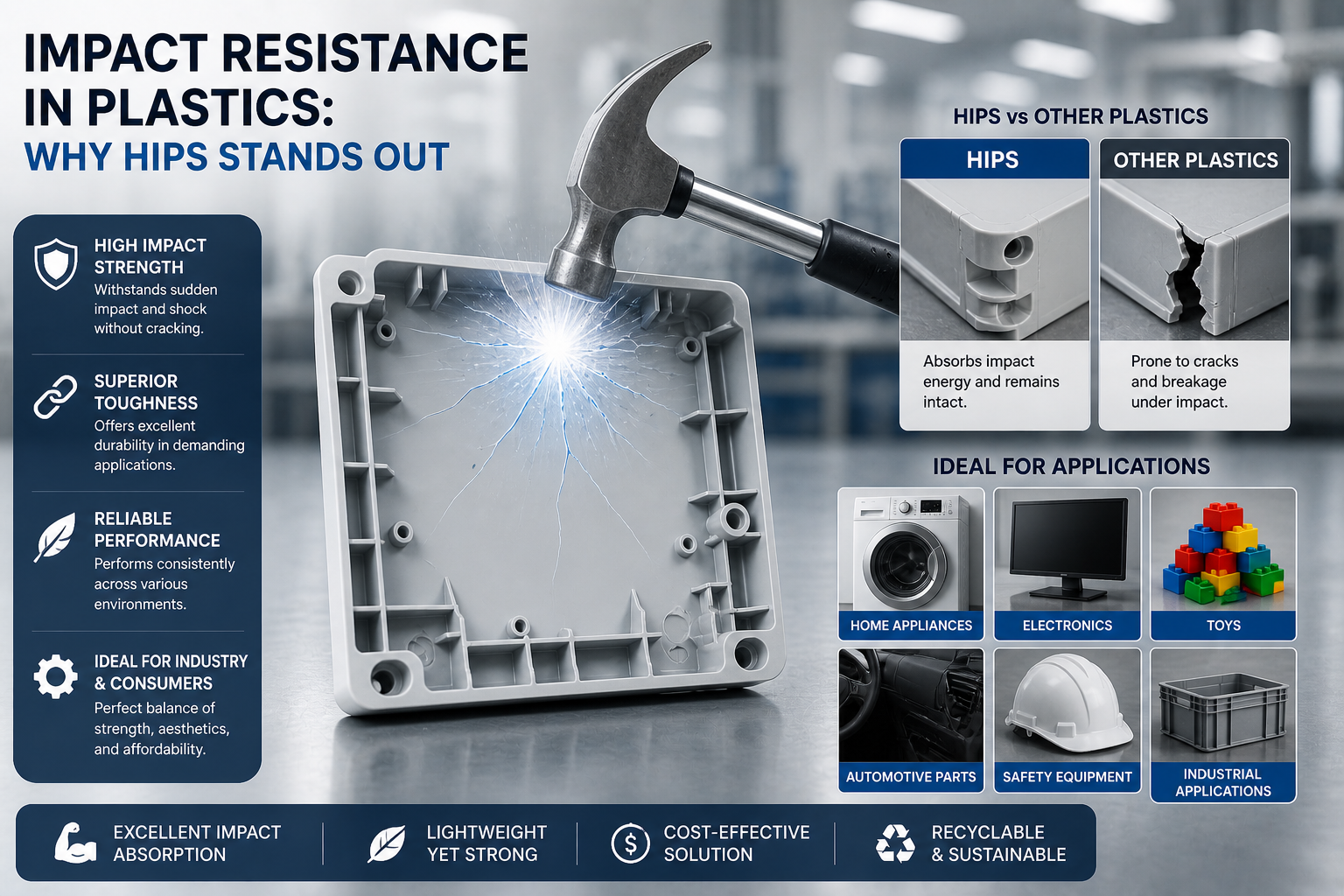
- High Impact Polystyrene (HIPS): Reinforced with rubber for durable vegetable crates, resistant to drops.
- Crystal Polystyrene: GPPS synonym, ideal for transparent produce displays.
- Extruded Polystyrene (XPS): Denser boards are used for insulating bulk shipments of exotics such as avocados.
Expanded polystyrene is popular for foam uses, combining light weight with insulation that solid types cannot match.
Real-World Applications in Perishables
In agriculture, EPS crates transport everything from strawberries to seafood, with cases showing doubled shelf life for prawns compared to styrofoam alternatives. Australian growers use EPS to reduce waste in aquaculture.
For vegetables, stackable boxes prevent ethylene gas buildup, slowing down ripening. Pharma vaccines also utilise similar properties, highlighting their versatility.
Innovations and Future Trends
Advancements such as bio-additives in polystyrene improve degradability without compromising performance. AI-optimised moulding reduces defects by 15%, according to industry reports.
With global cold chain demand projected to grow at a 10% CAGR, expanded polystyrene is advancing for smarter, more environmentally friendly packaging.
Challenges and Solutions
Although lightweight, improper disposal causes problems that Supreme’s recycling initiatives address. Education on cleaning increases reusability rates.
Choose Supreme for compliant, high-quality EPS and avoid potential issues.
In summary, the advantages of expanded polystyrene packaging—from exceptional insulation and hygiene to cost and environmental benefits—make it essential for protecting fruits, vegetables, and other perishables. Supreme Petrochem’s innovative solutions ensure dependability, delivering fresher produce to markets efficiently.
Frequently Asked Questions
Expanded polystyrene’s thermal insulation and shock absorption help keep fruits like apples fresh longer by stabilising temperatures and preventing bruises.
Yes, polystyrene plastic complies with food-contact standards, resists bacterial growth, and prevents moisture absorption, ensuring the safety of vegetables.
EPS provides superior insulation and is lighter than cardboard or wood, reducing costs and waste for items such as fish.
Absolutely, Supreme’s EPS is fully recyclable, supporting circular economy practices in perishable packaging.