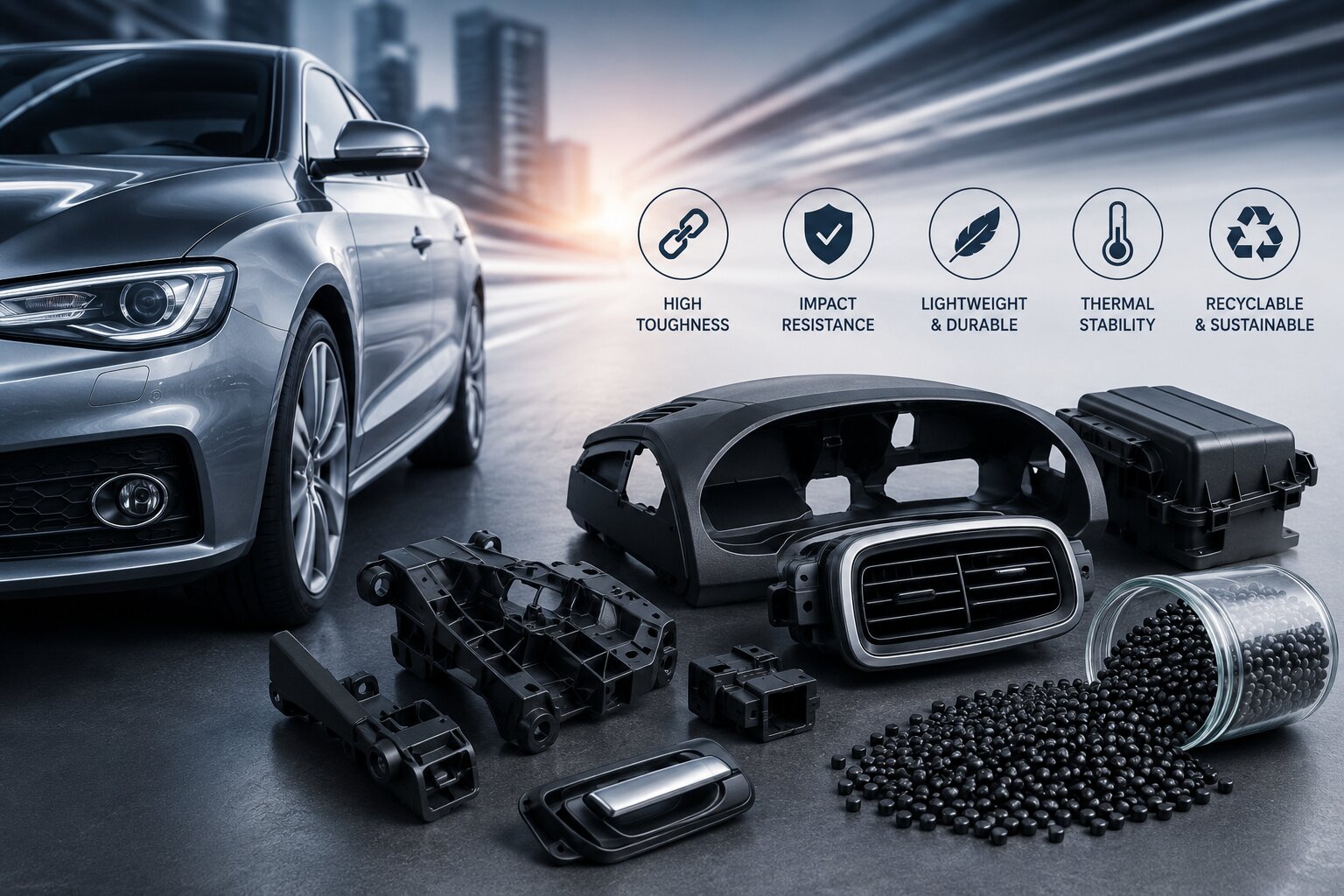
ABS compounds are the preferred materials for automotive parts because of their excellent combination of strength, flexibility, and visual appeal. They are ideal for demanding applications such as dashboards, bumpers, and interior trims. In an industry striving for lighter, safer, and more efficient vehicles, these engineering thermoplastics offer a significant advantage over metals and conventional plastics.
Supreme Petrochem, among the premier petrochemical companies in India, explains why ABS compounds are highly effective in automotive uses, emphasising our advanced production techniques and polystyrene integration. From technical specifications to practical case studies, this blog provides engineers and manufacturers with insights to improve component performance.
What Makes ABS Compounds Vital for Automotive Uses?
ABS compounds, or Acrylonitrile Butadiene Styrene, are ternary polymers formed by polymerising styrene and acrylonitrile around polybutadiene rubber, offering rigidity, impact resistance, and chemical durability. In automotive applications, this blend is particularly advantageous: acrylonitrile provides chemical resistance to oils and fuels, butadiene boosts toughness in crash situations, and styrene adds a glossy finish to premium interiors.
Imagine a car dashboard—ABS plastic manufacturer Supreme Petrochem produce grades with low levels of volatiles to maintain odour-free cabins, which is vital for occupant health. Unlike brittle alternatives, ABS compounds flex under stress, reducing the risk of failure in high-vibration environments.
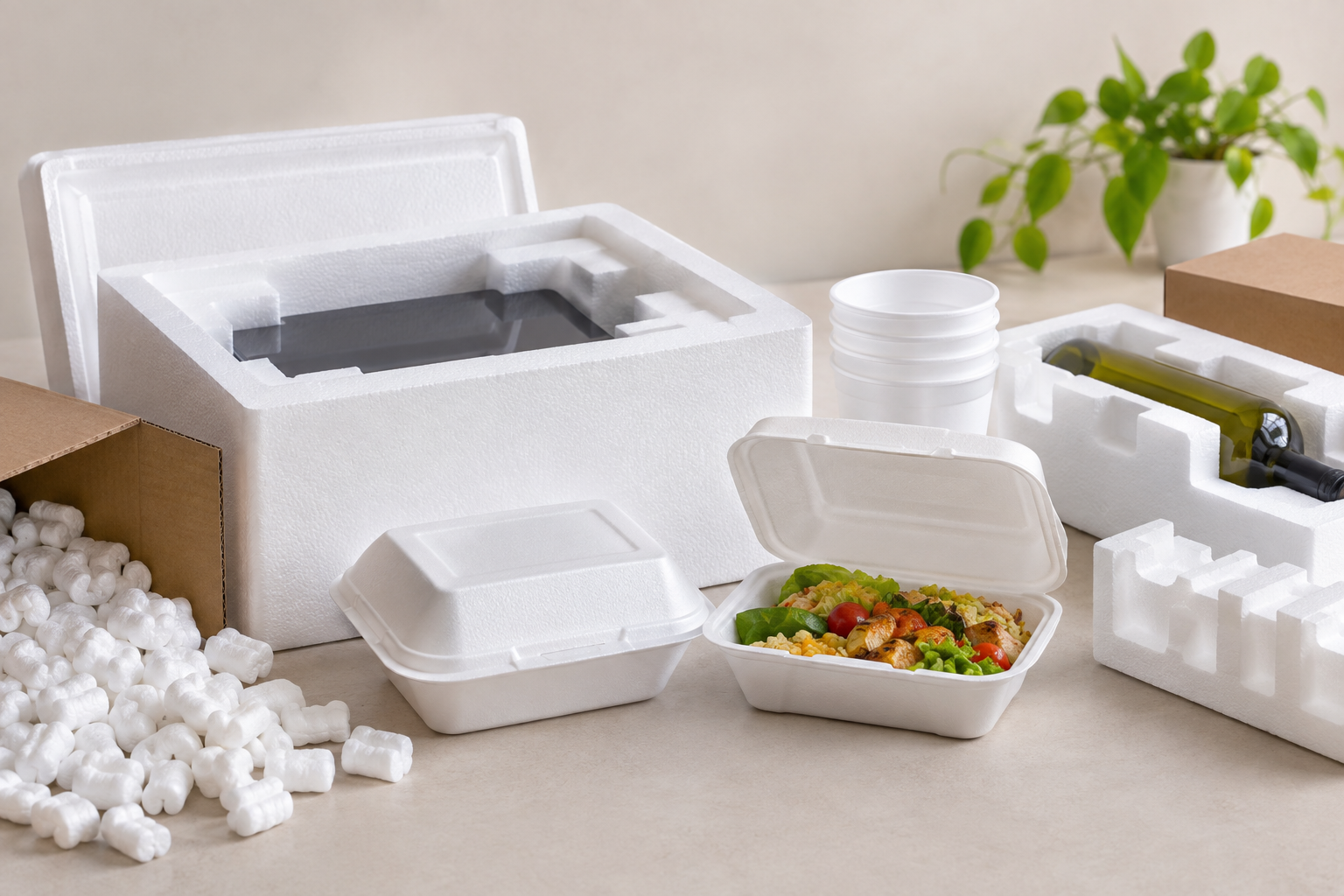
Although versatile for packaging, polystyrene plastic lacks impact resistance, which is why ABS compounds dominate structural automotive parts.
How Do ABS Compounds Outperform Traditional Materials in Vehicles?
Switching from steel or aluminium to ABS compounds reduces electric vehicle weight by up to 40% and cost by 20%, thereby improving fuel efficiency without compromising safety, crucial as EVs require lighter frames. Metals rust and conduct heat, but ABS compounds resist UV fading and remain dimensionally stable at moderate temperatures.
| Property | ABS Compounds | Steel/Aluminium | Polystyrene |
| Impact Strength | High (no notch brittle) | Medium-High | Low |
| Weight Reduction | 50-70% lighter | Baseline | Lighter but brittle |
| Corrosion Resistance | Excellent | Poor (needs coating) | Good but soft |
| Cost per Part | Moderate | High | Low but unsuitable |
This table highlights the benefit for ABS plastic manufacturers: durable, cost-effective mass production.
Why Are ABS Compounds Suitable for Interior Automotive Components?
Automotive interiors need both style and function—ABS compounds offer high-gloss surfaces that mimic premium finishes, making them ideal for door panels and gear knobs. Their capacity to be painted enables custom colours without adhesion issues, helping OEMs personalise their models.
Low gel counts and high whiteness index in Supreme’s ABS compounds prevent moulding defects, ensuring flawless textures. Additive masterbatch manufacturers enhance these with UV stabilisers, extending the service life in sun-exposed consoles.
Real-world example: In compact SUVs, ABS compounds replaced polycarbonate for vents, reducing costs while enhancing scratch resistance.
What Role Does Supreme Petrochem Play in ABS Innovation?
Supreme Petrochem Ltd, one of the most prominent petrochemical companies in India, has commissioned a 10,000 TPA ABS compounds line at Nagothane, Maharashtra. The technology adopted is a continuous mass polymerisation process licenced by Versalis, an ENI Group company in Italy. This constant mass polymerisation process produces low-emission, energy-efficient ABS compounds—odourless and high-whiteness for automotive interiors.
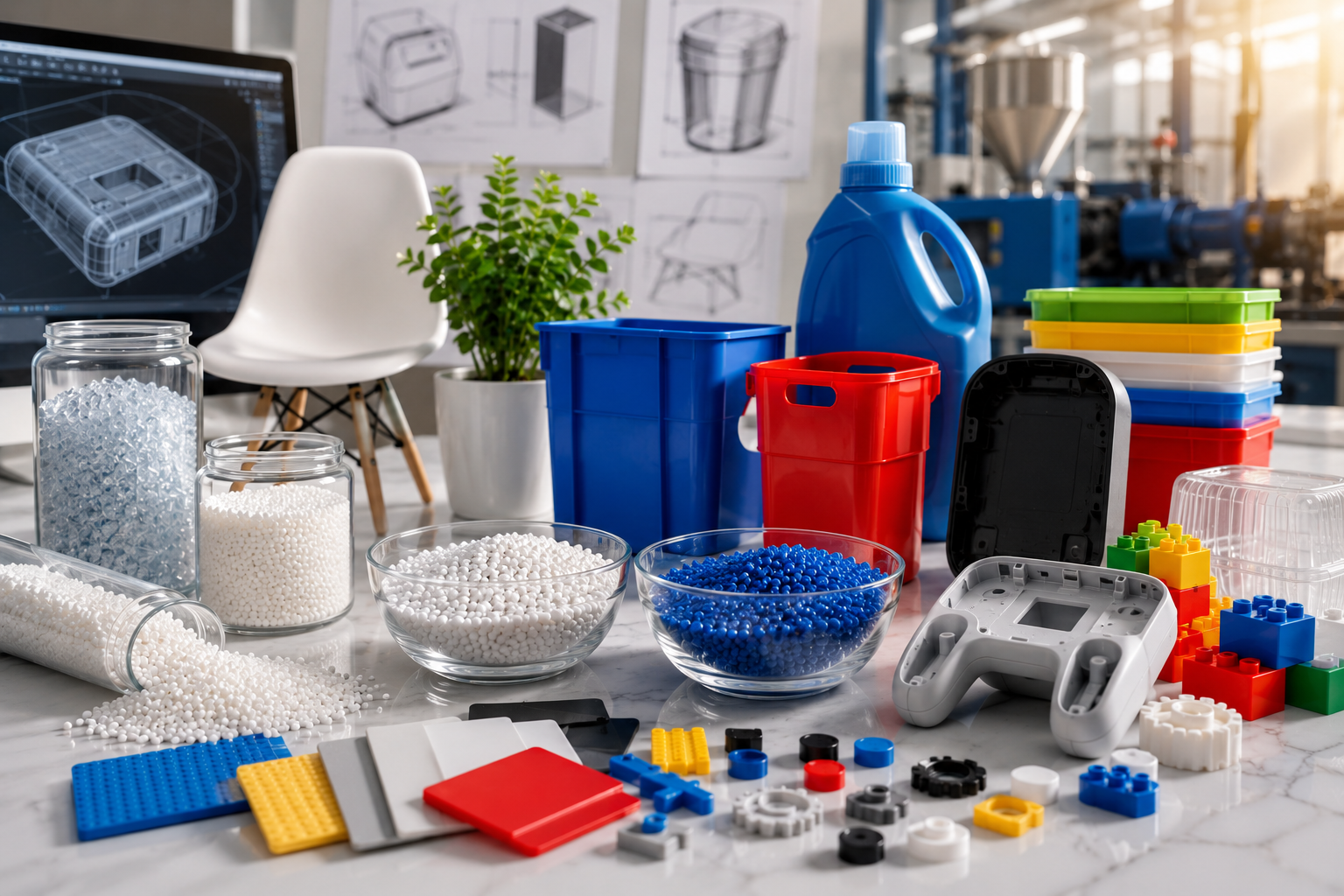
Our ABS compounds serve major automakers in India, designed for pre-coloured specials and mABS grades safe for moulding shops. Supreme provides comprehensive styrenics solutions, from GPPS/HIPS to ABS plastic manufacturers excellence.
What this means for you: Partnering with Supreme guarantees supply chain stability, with Formosa-sourced ABS grades filling any gaps.
How Do the Processing Benefits of ABS Compounds Improve Auto Manufacturers’ Products?
ABS compounds process smoothly via injection moulding, extrusion, or blow moulding, with melt flow indices optimised for thin-wall parts such as grille assemblies. Their thermal stability reduces warping, enabling high-speed production cycles.
Additive masterbatch manufacturers like Supreme incorporate flame retardants, ensuring ABS compounds meet requirements for under-hood components near engines. Low-volatility fuels decrease VOC emissions and comply with BS-VI standards.
Case study: A leading Indian OEM adopted ABS compounds for bumper carriers, achieving a weight reduction and enhanced recyclability.
What Are the Primary Mechanical Properties That Promote ABS Adoption in Cars?
Rigidity and toughness: ABS compounds have a tensile strength of 40-50 MPa and an Izod impact of over 200 J/m, according to ISO 180 standards. Their abrasion resistance is suitable for gear shifts, while strain endurance manages repeated flexing in armrests.
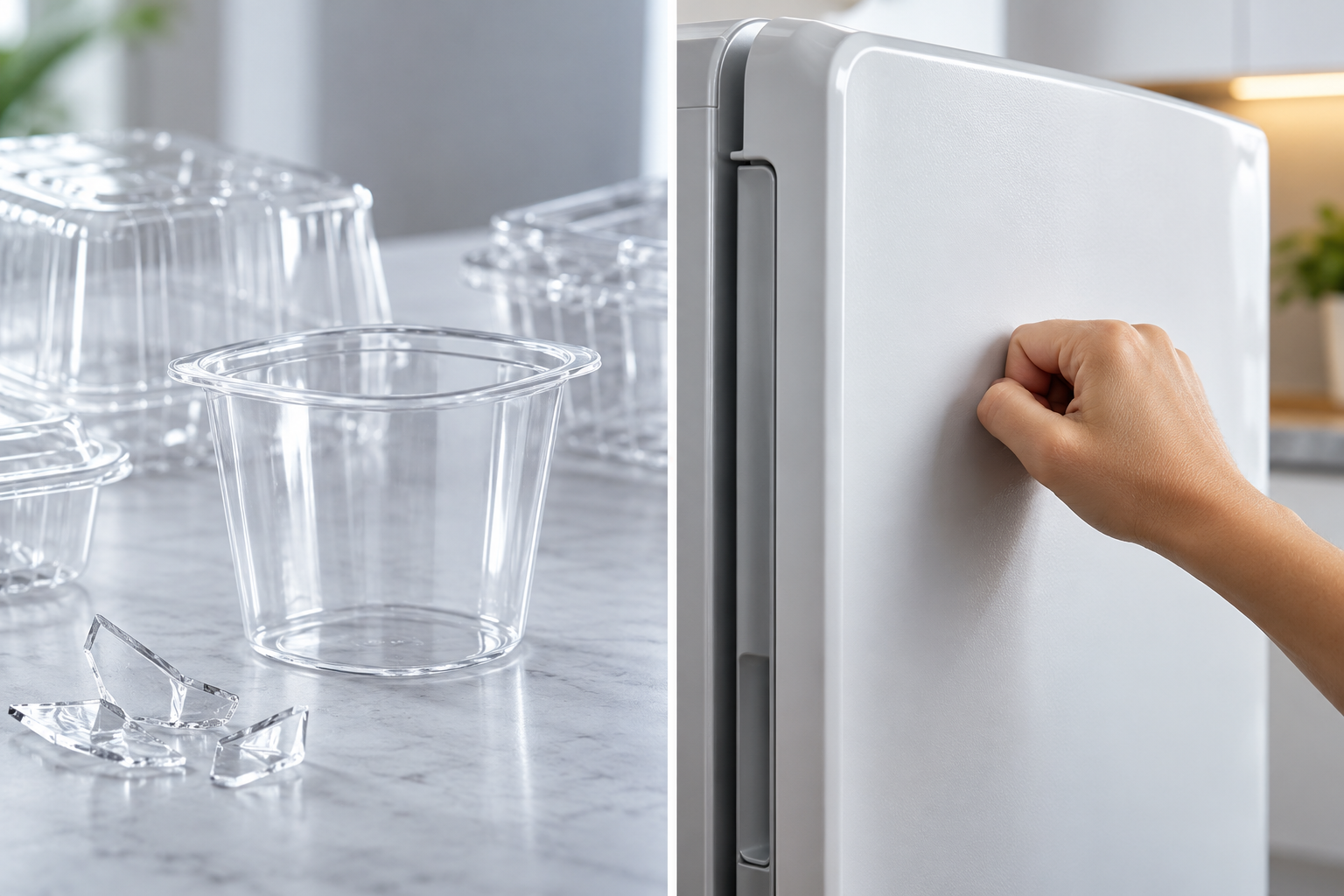
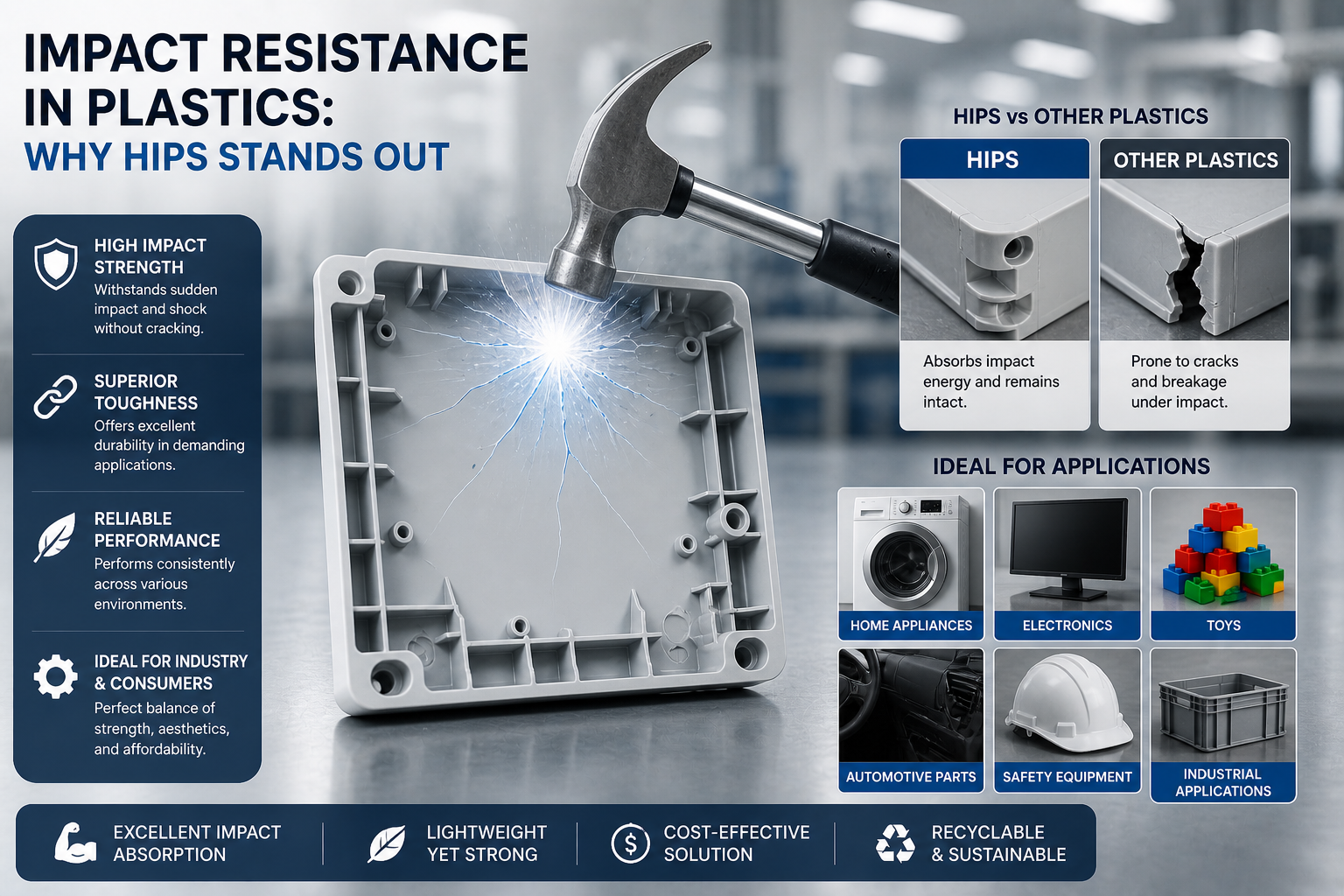
Compared to polystyrene plastic, which shatters on impact, ABS compounds absorb shocks, which is significant for pedestrian safety standards. Their chemical resistance prevents petrol spills, extending the lifespan of parts.
| Mechanical Property | Typical ABS Compounds Value | Automotive Benefit |
| Tensile Strength | 40-50 MPa | Structural integrity |
| Impact Resistance | >20 kJ/m² | Crash energy absorption |
| Flexural Modulus | 2.2-2.5 GPa | Stiffness in panels |
| Heat Deflection | 85-100°C | Dashboard endurance |
These specs position ABS compounds as indispensable.
Why Opt for Custom ABS Compounds in EV and Hybrid Components?
Electric vehicles boost demand for ABS compounds: battery enclosures need flame-retardant grades, and lightweight interiors help ease range anxiety. Supreme’s specialities perform well here, with high CTI for electrical housings.
Petrochemical companies in India, such as Supreme, develop glass-filled ABS compounds for structural EV mounts that balance rigidity and vibration damping. Sustainability aspect: Recyclable ABS compounds support circular economy goals.
Insight: By 2030, use of auto ABS compounds could rise by 25% due to the EV boom (Indian Petroleum Institute, 2025 projection).
How Do Environmental and Regulatory Factors Promote ABS Compounds?
ABS compounds have a low environmental impact through efficient polymerisation—Supreme’s Versalis technology will produce styrenic polymers with a low carbon footprint owing to reduced emissions and energy consumption. Recyclability through mechanical or chemical means complies with EU ELV directives and is reflected in India’s PWM Rules.
Unlike PVC, ABS compounds do not contain halogens, making incineration easier. Additive masterbatch manufacturers include bio-based stabilisers, supporting a greener supply chain.
Practical tip: Choose low-VOC ABS compounds during compliance audits.
What Challenges Do ABS Compounds Encounter in Automotive Applications?
ABS compounds pose processing challenges in automotive applications, primarily due to their moisture sensitivity. This requires thorough pre-drying at 80-90°C for 2-4 hours to prevent hydrolysis, bubbling, or weakened welds during injection moulding—issues that increase costs and cycle times for high-volume parts like bumpers. Shrinkage rates of 0.4-0.9% also cause warping in large panels, necessitating precise mould designs and temperature control. Additionally, flammability concerns demand flame-retardant additives, which can reduce impact strength or elevate costs.
Environmental and durability limitations further complicate adoption: ABS compounds exhibit poor UV stability, leading to yellowing and brittleness in exterior components exposed to sunlight, and are vulnerable to solvents such as petrol or acetone, which erode surfaces in engine bays. Low heat deflection (around 85-100°C) restricts use near exhausts, prompting blends with PC or alloys, though these increase material costs by 20-30% amid tightening EV regulations for recyclability.
How to Choose the Right ABS Grade for Your Automotive Project?
Follow this step-by-step framework:
- Define Load Requirements: Impact-heavy? High-butadiene mABS.
- Match Processing: Thin walls need high-flow MFR >20 g/10min.
- Regulatory Check: FR grades for proximity to heat sources.
- Aesthetic Needs: Glossy for visibles; textured for grips.
- Test Prototypes: Validate with drop/scratch simulations.
- Supplier Audit: Capacity, certifications (IATF 16949).
Supreme excels in all aspects as ABS plastic manufacturers.
Future Trends: ABS Compounds in Future-Ready Automotive Design
Advanced ABS compounds incorporate nano-fillers to achieve a 50% increase in stiffness, specifically for ADAS housings. Bio-ABS made from renewable styrene is emerging, although petroleum-based options like Supreme’s remain the most cost-effective.
Polystyrene plastic also advances, but ABS compounds dominate the automotive industry. 3D printing compatibility broadens prototyping.
In summary, ABS compounds strengthen their leadership in the automotive industry by offering a balanced mix of properties, ease of processing, and innovation—supporting the development of safer, stylish vehicles. Supreme Petrochem advances this progress further by combining polystyrene expertise with ABS excellence for India’s mobility future.
Frequently Asked Questions
Polystyrene plastic is suitable for packaging but lacks impact strength; ABS compounds excel in rigidity and toughness for dashboards and bumpers. Supreme’s grades ensure durability.
Yes, ABS compounds can be mechanically recycled into lower-grade parts or undergo chemical depolymerisation, in accordance with EU ELV standards. Supreme supports circular practices.
Standard ABS compounds withstand temperatures up to 100°C; FR/PC blends can reach 140°C for under-hood applications. Consult Supreme for grades.