General Purpose Polystyrene (GPPS) is a leading thermoplastic valued for its high clarity and rigidity. Its transparent appearance and affordability make it a popular choice for consumer goods and packaging, where clear visibility can boost sales.
In this blog, Supreme Petrochem explains why general purpose polystyrene
is excellent for transparent applications across various industries. We discuss its properties, compare it with other types of polystyrene, and share real-world examples from our experience as a leader in polystyrene plastic solutions.
Understanding General Purpose Polystyrene (GPPS) and Its Key Characteristics
General Purpose Polystyrene (GPPS), often called crystal polystyrene, is a transparent, amorphous thermoplastic produced by styrene monomer polymerisation. This type of polystyrene offers outstanding optical clarity, with up to 90% light transmission, making it ideal for applications where appearance and visibility are important.
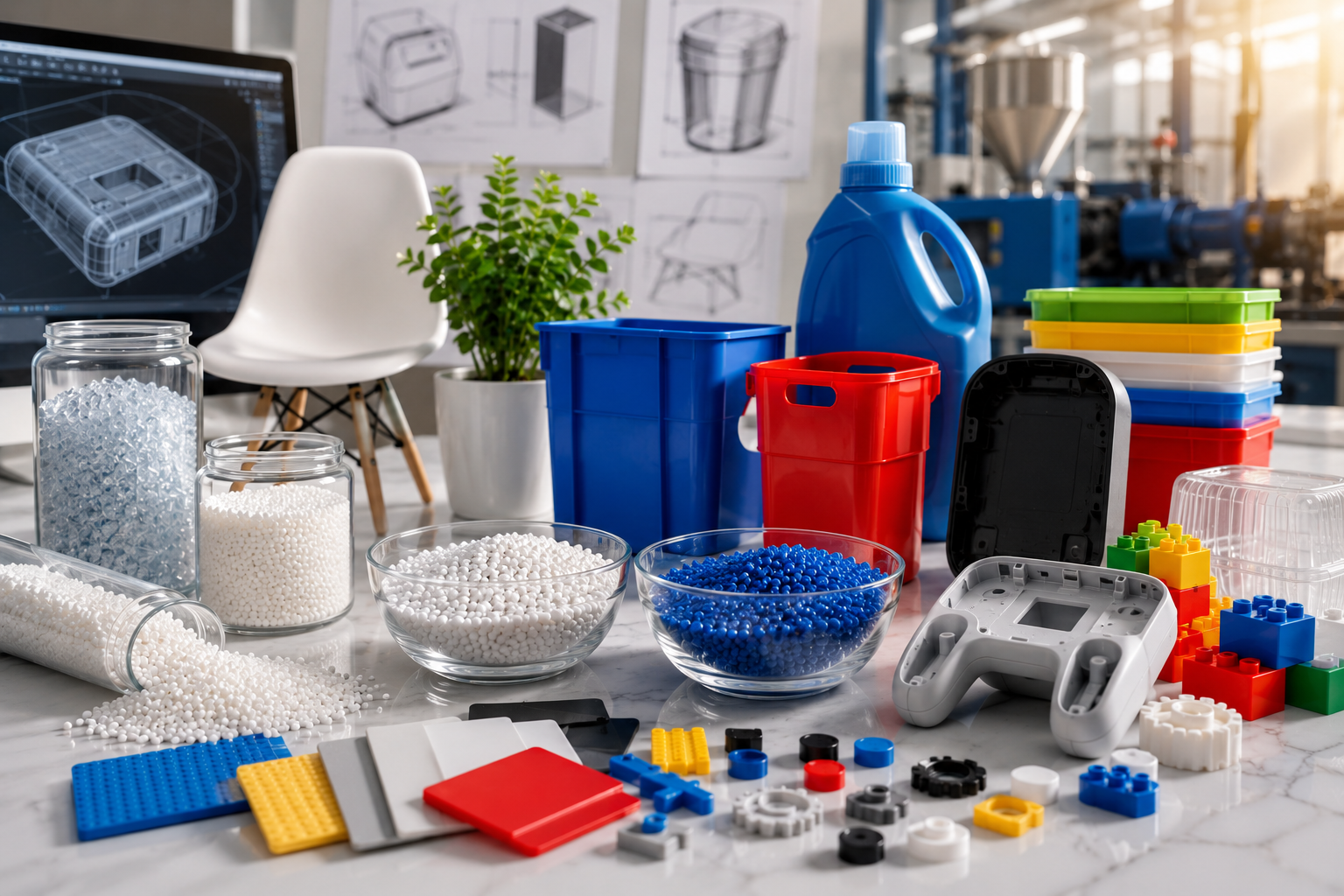
Unlike opaque options, GPPS provides rigidity without adding weight, with a density of 1.04-1.06 g/cm³. It is straightforward to process via injection moulding, extrusion, and thermoforming, ensuring high productivity for manufacturers seeking efficient production cycles.
Key features include high stiffness, dimensional stability, and a glossy finish that enhances product appeal. These properties make GPPS the preferred material for transparent consumer items, from food containers to display cases, outperforming less transparent options like polyethylene when visibility is essential.
Why Transparency Makes GPPS Ideal for Packaging
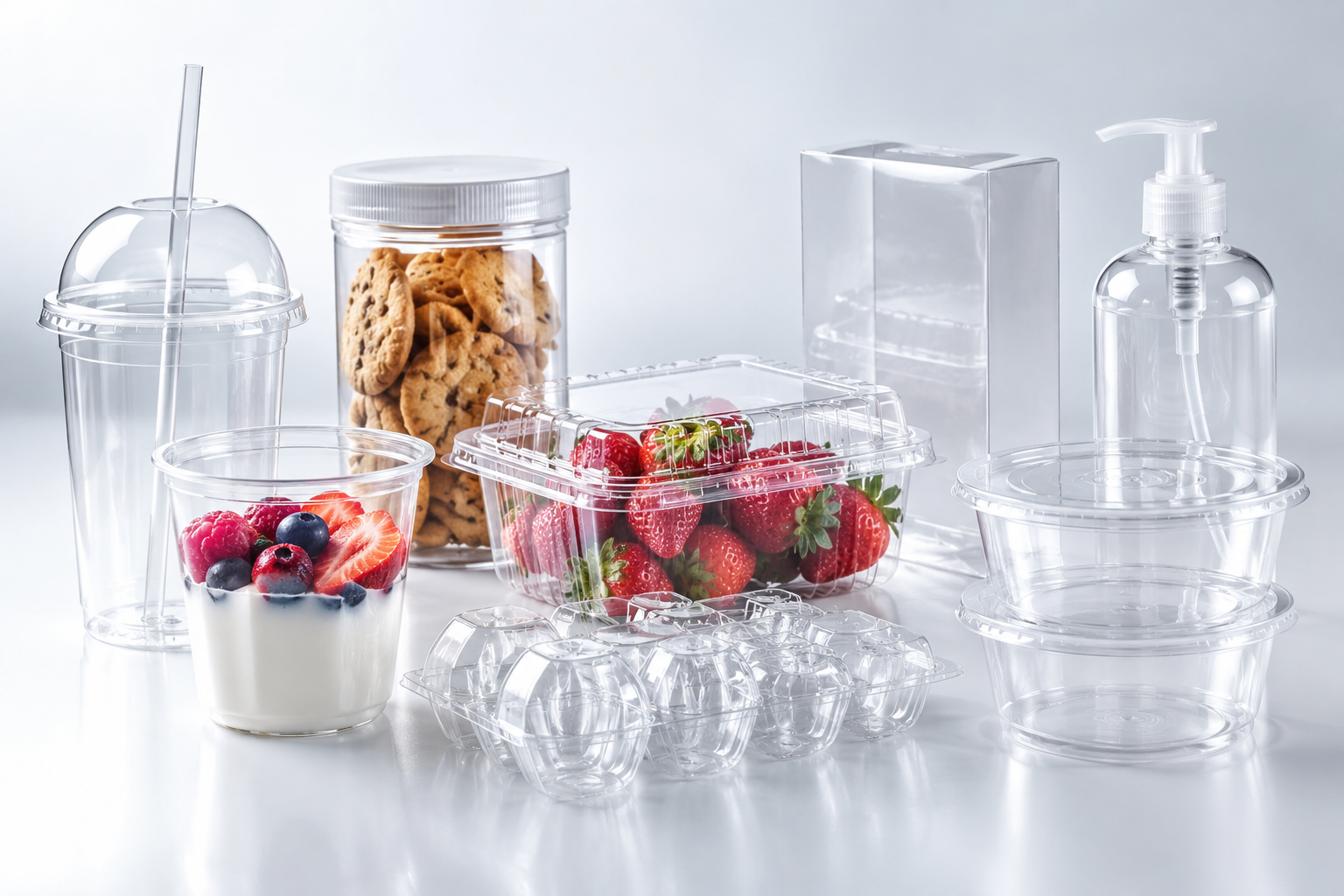
In packaging, transparency is not just about appearance; it is a practical requirement that enables consumers to quickly examine contents. General Purpose Polystyrene (GPPS) offers exceptional clarity, allowing brands to display products like fresh produce, cosmetics, or electronics without sacrificing protection.
GPPS sheets and films maintain their shape under normal loads, resisting deformation while enabling vibrant labels. This combination of clarity and strength reduces material consumption, lowering costs for high-volume packaging lines, which is essential in competitive retail environments.
Compared to other polystyrene grades, such as high-impact polystyrene (HIPS), which prioritises toughness over transparency, general purpose polystyrene excels for blister packs and trays. Its low haze levels ensure clear, distortion-free views, increasing impulse purchases by 20-30% in visual merchandising research.
GPPS versus Expanded Polystyrene and Extruded Polystyrene in Consumer Applications
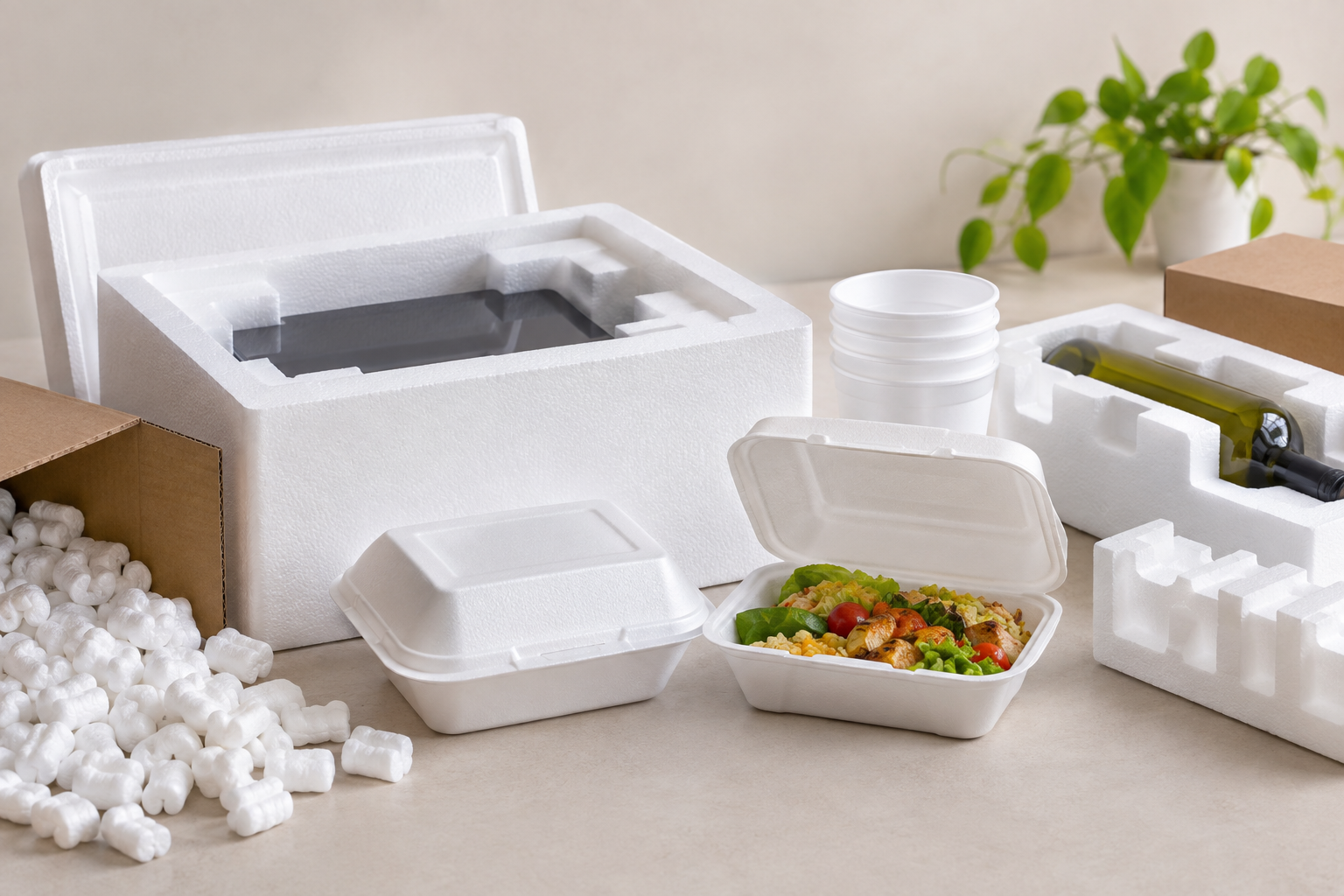
While expanded polystyrene (EPS) is excellent for insulation due to its cellular structure, it lacks the transparency of general purpose polystyrene for consumer-facing applications. EPS, with its foam-like beads, provides good protective cushioning but cannot match the clear optics of crystal polystyrene for display packaging.
Extruded polystyrene (XPS) offers denser foam boards for construction, providing better moisture resistance than EPS while remaining opaque. In contrast, GPPS supplies rigid, transparent sheets that are ideal for reusable consumer containers, where visual appeal is more important than thermal insulation.
Supreme Petrochem’s GPPS range fills these gaps, offering grades designed for injection-moulded transparent housings. This versatility enables B2B clients to select polystyrene solutions tailored to their specific transparency requirements without compromising processing ease.
Key Benefits of Crystal Polystyrene in Daily Consumer Products
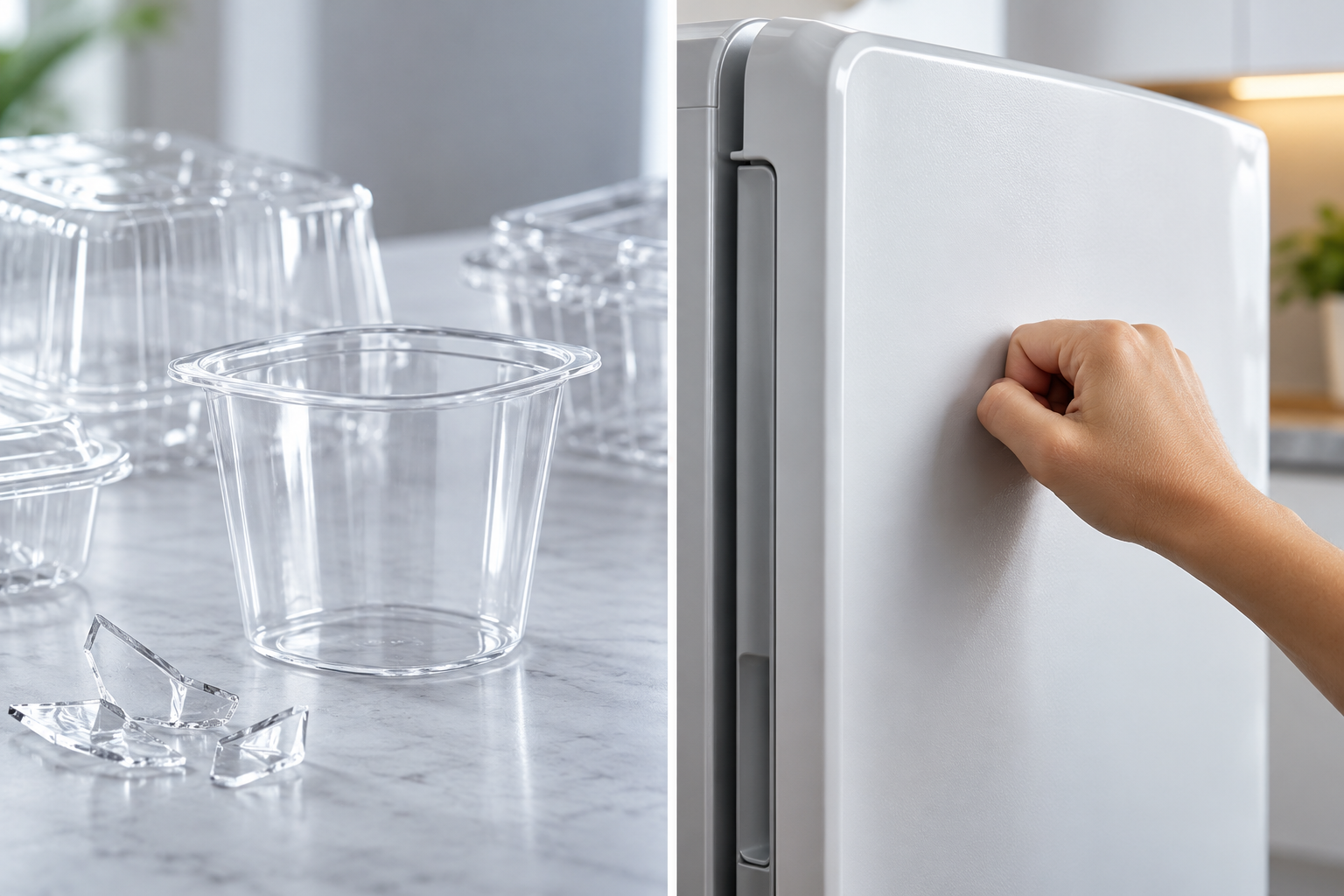
Crystal polystyrene, also known as GPPS, offers superior hardness and stiffness, enabling thin-walled designs that can reduce material costs by up to 15%. Its electrical insulation qualities extend its applications to appliance components such as refrigerator drawers.
In stationery and household items, GPPS produces durable rulers, document holders, and storage boxes with a high-quality glassy finish. This rigidity prevents warping, ensuring they last even with frequent use, unlike flexible polystyrene plastic.
Foodservice benefits significantly: clear cups, lids, and cutlery made from GPPS maintain hygiene and appearance, with neutral taste and odour profiles meeting global standards. Manufacturers appreciate its recyclability, which supports circular-economy goals without sacrificing performance.
Applications of High Impact Polystyrene (HIPS) versus GPPS for Balanced Performance
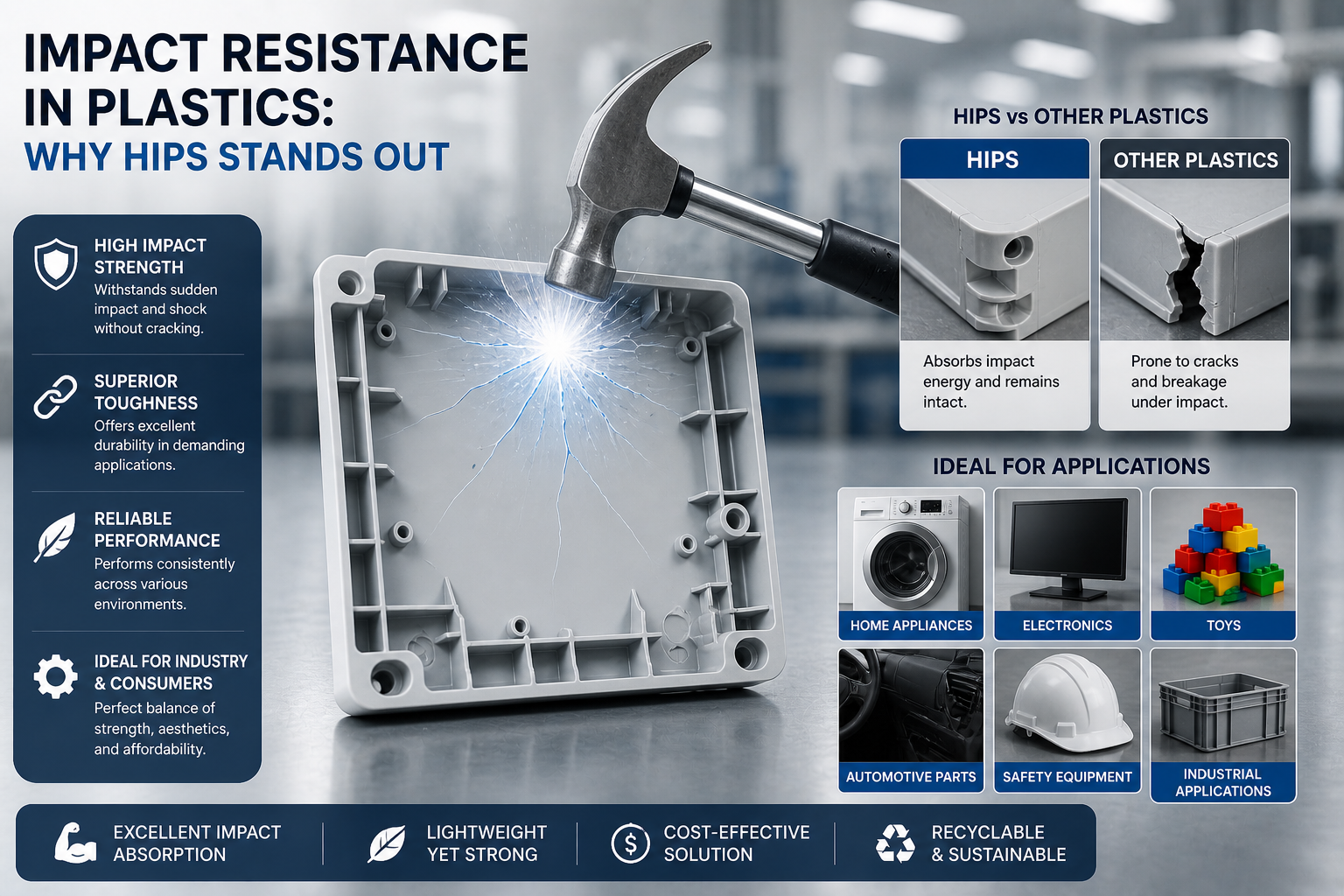
High-impact polystyrene (HIPS) includes rubber modifiers to enhance toughness, making it ideal for opaque packaging such as yoghurt pots, where drop resistance is more critical than clarity. However, for transparent applications, GPPS remains unrivalled, offering high purity for medical labware such as petri dishes and pipettes.
In electronics, GPPS is used to create light diffusers and enclosures, harnessing its heat resistance of 80-100°C. HIPS is better suited to impact-prone housings, but GPPS’s dimensional stability prevents cracks in precision assemblies, which is preferred in TV and audio components.
Supreme Petrochem distinguishes these: our GPPS targets clarity-focused markets, while HIPS caters to durability-focused ones. This dual expertise enables converters to innovate across the range of polystyrene options.
Spotlight on Supreme Petrochem’s GPPS Excellence
Supreme Petrochem is India’s leading polystyrene manufacturer, with state-of-the-art facilities guaranteeing consistent GPPS quality. Our general purpose polystyrene grades, such as Styron and Styrex, deliver excellent transparency and flow properties, making them easy to extrude into films and sheets.
Supported by ISO certifications, Supreme’s GPPS undergoes thorough testing for brightness, yellowness index, and mechanical strength. Clients in the packaging and consumer sectors rely on our dependable supply chain, which minimises downtime and maximises production essential for high-speed operations.
From custom masterbatches to expanded polystyrene components, Supreme Petrochem provides complete polystyrene plastic solutions. Our commitment to sustainability includes recyclable GPPS formulations that lessen environmental impact without sacrificing quality.
Processing GPPS for optimal transparent packaging results
Extrusion of GPPS produces clear sheets that can be thermoformed into trays and clamshells. With melt temperatures between 220 and 260°C, this process ensures a consistent thickness. Injection moulding utilises its low viscosity to create detailed transparent consumer products, achieving cycle times under 30 seconds.
Post-processing tasks such as printing adhere well due to GPPS’s surface energy. This property facilitates high-resolution flexo inks for branded packaging. Unlike extruded polystyrene, which foams, GPPS retains solid integrity, making it suitable for stackable designs in logistics.
Supreme Petrochem advises annealing to relieve stresses and enhance clarity in humid conditions. This meticulous processing makes crystal polystyrene a scalable option for converters worldwide.
Sustainability and Recyclability of Polystyrene in Contemporary Applications
GPPS supports sustainability as a recyclable thermoplastic, identifiable by resin ID #6 in standard facilities. Closed-loop systems recover polystyrene from packaging waste and transform it into new transparent products with minimal loss of properties.
Life-cycle assessments demonstrate that GPPS packaging consumes 50% less energy than glass alternatives, significantly lowering CO2 emissions. Supreme Petrochem improves this by using eco-friendly production methods, including recycling expanded polystyrene within larger polystyrene systems.
Compliance with regulations, including EU food contact standards, highlights GPPS’senvironmental benefits. As bans on single-use plastics develop, its recyclability makes general purpose polystyrene a smart alternative.
Cost-Effectiveness Spurring GPPS Adoption in B2B Sectors
GPPS costs 20-40% less than polycarbonate, providing high transparency in an affordable way, which is vital for mass-market packaging. Its high output rates, up to 500 kg/hour in extruders, quickly offset tooling costs for converters.
In consumer electronics, GPPS housings are more affordable than acrylics but provide similar optical qualities, enabling competitive pricing. Supreme Petrochem’s efficiencies ensure stable costs, shielding clients from fluctuations in raw material prices.
This economic benefit, combined with performance, makes crystal polystyrene a preferred option for budgets ranging from startups to multinational corporations.
Emerging Trends: GPPS in Smart Packaging and Beyond
Innovations are combining GPPS with additives to enhance UV resistance, thereby extending shelf life in transparent food trays. Nano-enhanced grades improve barrier properties, competing with more costly multilayer options for consumer perishables.
In e-commerce, GPPS blister packs now feature QR codes, enhancing user engagement without compromising clarity. Supreme Petrochem is also investigating bio-based styrene to produce greener general purpose polystyrene, supporting 2030 net-zero targets.
These trends affirm GPPS’s significance in new transparent applications.
Challenges and Solutions in the Use of Polystyrene Plastic
GPPS can become brittle under high impact. To address this, it is often alloyed with HIPS to create hybrid sheets that retain 80% clarity. Co-extrusion enhances scratch resistance, making it suitable for premium consumer displays.
Supreme Petrochem adjusts molecular weights: high for rigidity and low for better flow. Training on proper handling techniques, such as avoiding notches, helps ensure that field performance meets laboratory expectations.
Comparative Analysis: GPPS Across Polystyrene Family
| Property/Application | GPPS | HIPS | EPS | XPS |
| Transparency | Excellent (90%+) | Opaque | Low | Opaque |
| Rigidity | High | Medium-High | Low | Medium |
| Packaging Use | Trays, Blisters | Pots, Lids | Cushioning | Insulation |
| Cost per kg | Low | Medium | Lowest | Medium |
| Recyclability | High | High | Medium | Medium |
This table highlights GPPS’s pivotal role, where clarity is crucial.
In summary, General Purpose Polystyrene (GPPS) sets the standard for transparency in consumer and packaging applications. Its unmatched clarity, rigidity, and value make it a key player. Supreme Petrochem’s innovative polystyrene solutions help industries prosper sustainably. As the demand for visibility and efficiency continues to grow, GPPS remains the smart choice.
Frequently Asked Questions
GPPS emphasises transparency and rigidity, while HIPS incorporates rubber to enhance impact resistance, making it more suitable for opaque, durable applications.
No, expanded polystyrene is foamed and opaque, unlike solid, clear GPPS that meets visibility requirements.
Crystal polystyrene is used in food containers, labware, and light covers owing to its optical purity.
Extruded polystyrene provides rigid foam insulation but lacks the transparency required for consumer displays, such as GPPS.